
Valve manufacturing — components & project review
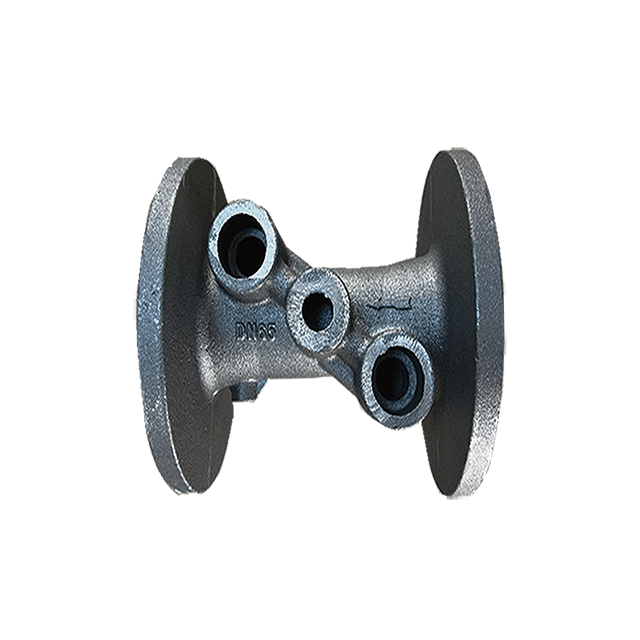
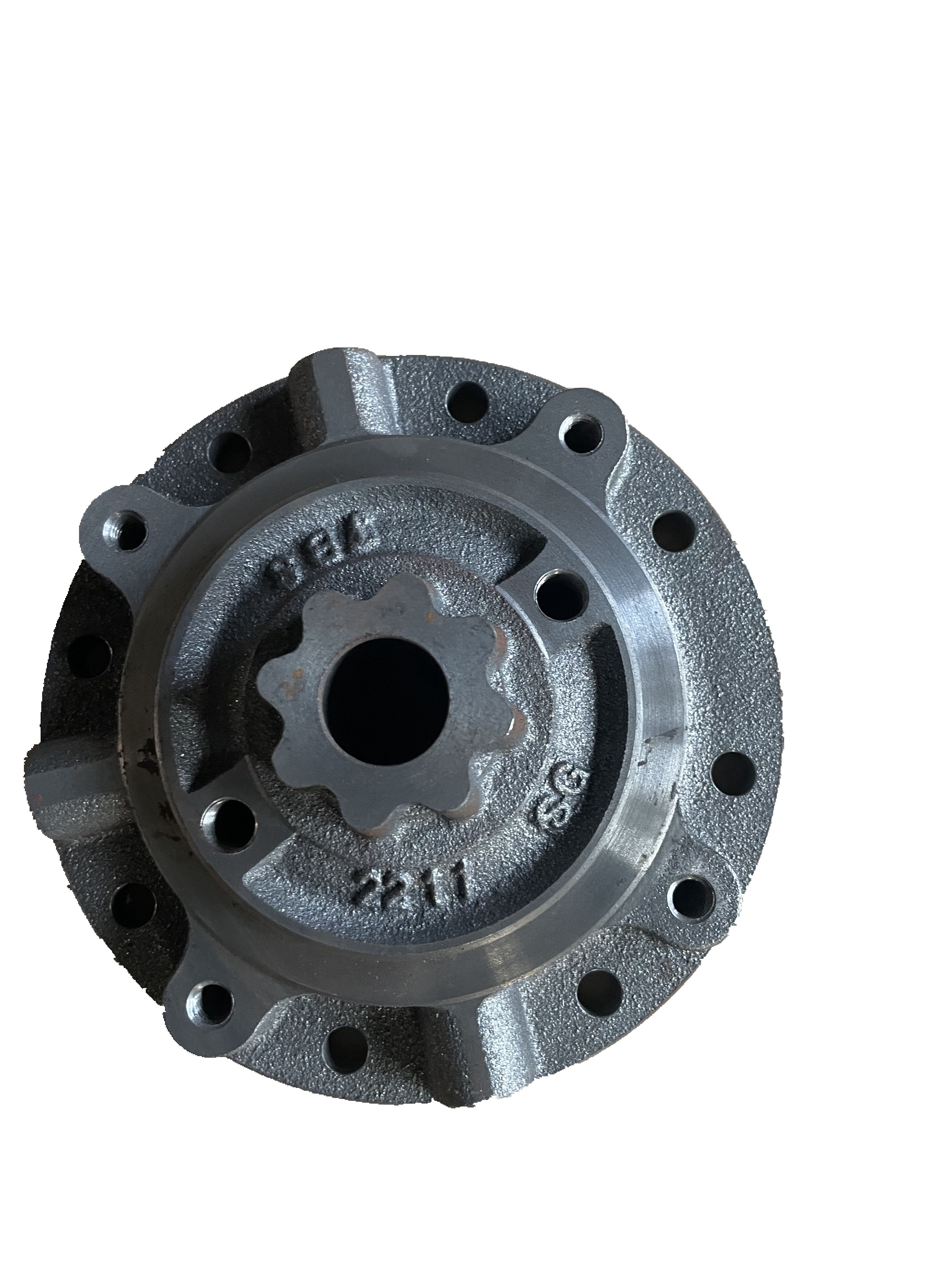
Valve bodies, covers and custom valve parts supplied against the project drawing.
- Project scenarios
- 2
- Component families
- 3
- Review basis
- Drawing + service conditions
What this industry page helps you decide
Source individual valve components against the controlled drawing. Keep body and cover interfaces aligned, and distinguish casting supply from complete-valve performance and certification.
Use the scenario routes below to establish what needs to be provided, what the supplier must review and what evidence is needed before approval.
Start with your project situation
Valve body and cover interface reviewA procurement review route for valve body and cover interface review. Confirm the drawing, supply scope and evidence before ordering.Valve component repeat-order reviewA procurement review route for valve component repeat-order review. Confirm the drawing, supply scope and evidence before ordering.Relevant component families
Custom valve body castingsCustom valve body castings for OEM assemblies. Share your drawing, material grade and machining scope for a quotation review.Custom valve covers and bonnet enquiriesCustom valve covers and bonnets for OEM assemblies. Share the mating body drawing, bolt pattern and sealing face requirements.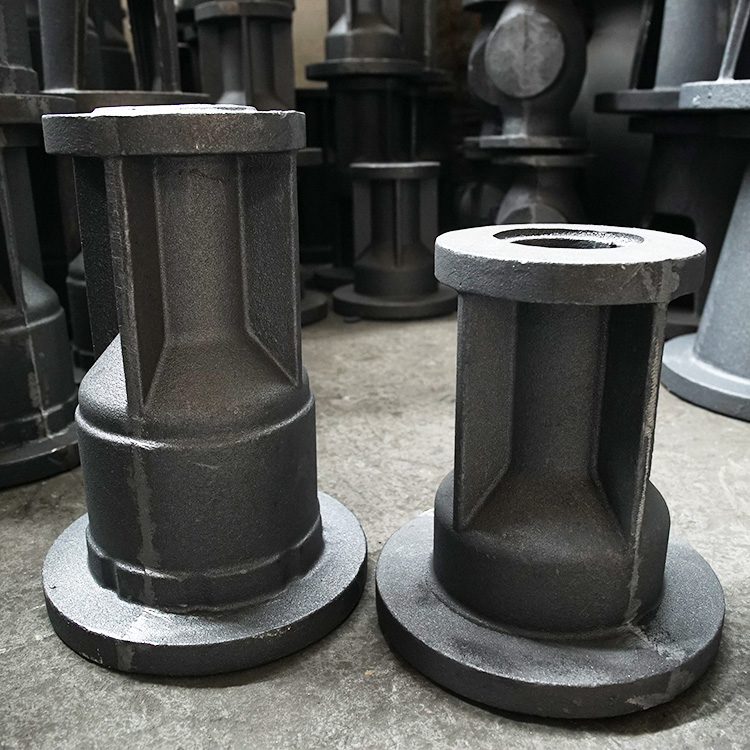 Ribbed valve connection castingsRibbed castings for valve connections. Share the end connection, bore and mating geometry to define the machining scope.
Engineering and procurement handover
| Decision | Buyer input | Next review |
|---|---|---|
| Connections | Flange or other connection dimensions and governing standard | Body drawing |
| Body-to-cover fit | Mating faces, bolt pattern and sealing features | Both mating drawings |
| Material and testing | Grade, verification records and specified component tests | Project acceptance requirements |
| Supply condition | As-cast or machined, surface treatment and finishing | Defined quotation scope |
Build the required manufacturing scope
| Review area | Documented company scope | How to apply it |
|---|---|---|
| Material families | Gray iron, ductile iron and cast steel | Catalogue p. 3; the specific grade must be agreed for the part |
| Casting routes | Resin sand, shell molding and investment casting | Catalogue p. 3; route and manufacturing responsibility reviewed per project |
| Machining | Turning, milling, drilling, tapping and grinding | Catalogue pp. 3 & 5; dimensions, datums and tolerances come from the drawing |
| Finishing & inspection | Surface treatment, dimensional checks and material verification | Catalogue pp. 3, 9 & 10; agree the required method and acceptance record |
Verify the evidence behind the proposal
| Available basis | What it supports | What the project must establish |
|---|---|---|
| Company catalogue — page 6 | General component or company scope | Exact part identity and drawing revision |
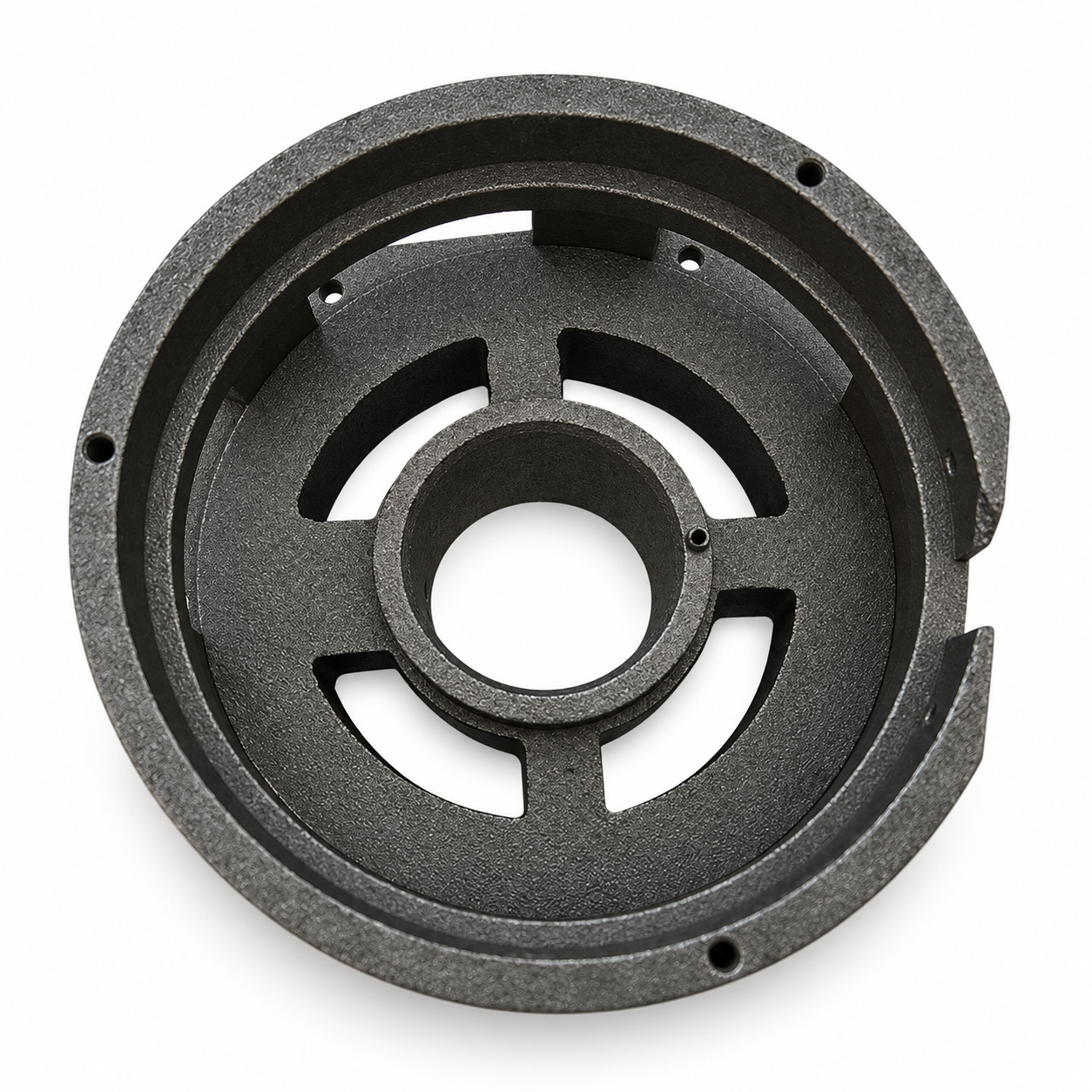
| Original component photographs | Visible geometry and a reference for discussion | Dimensions, grade and operating limits |
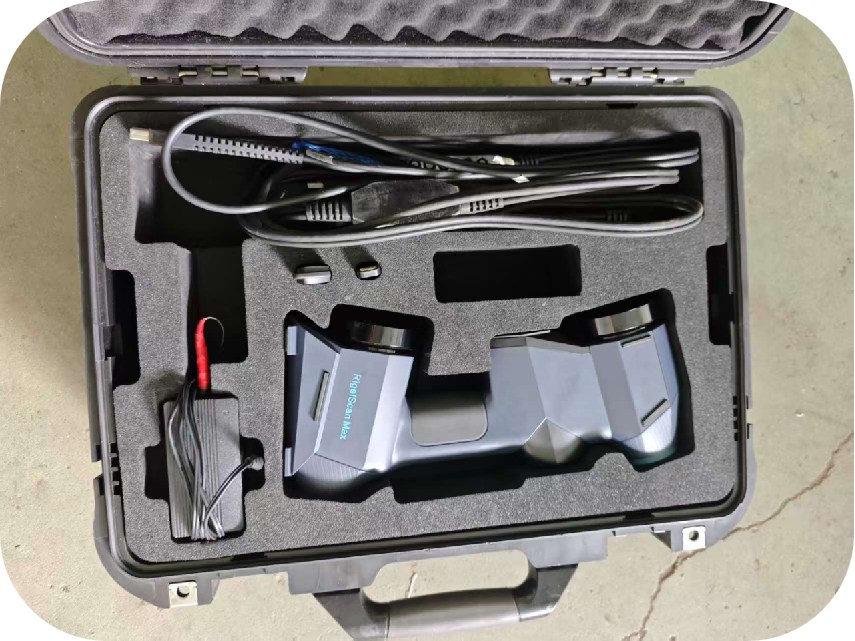
| Inspection equipment photographs — pp. 9–10 | Manufacturing-resource review | Actual inspection plan, results and acceptance criteria |
Agree the project checkpoints
- Define
Provide the part, drawing revision, material and application conditions.
- Review
Resolve geometry, manufacturing scope and inspection questions.
- Approve
Agree quotation scope and the required sample acceptance package.
- Release
Confirm the controlled revision, quantities and delivery documentation.
Guides for the next purchasing question
 How to evaluate a custom casting supplierCompare manufacturing responsibility, technical scope and evidence.
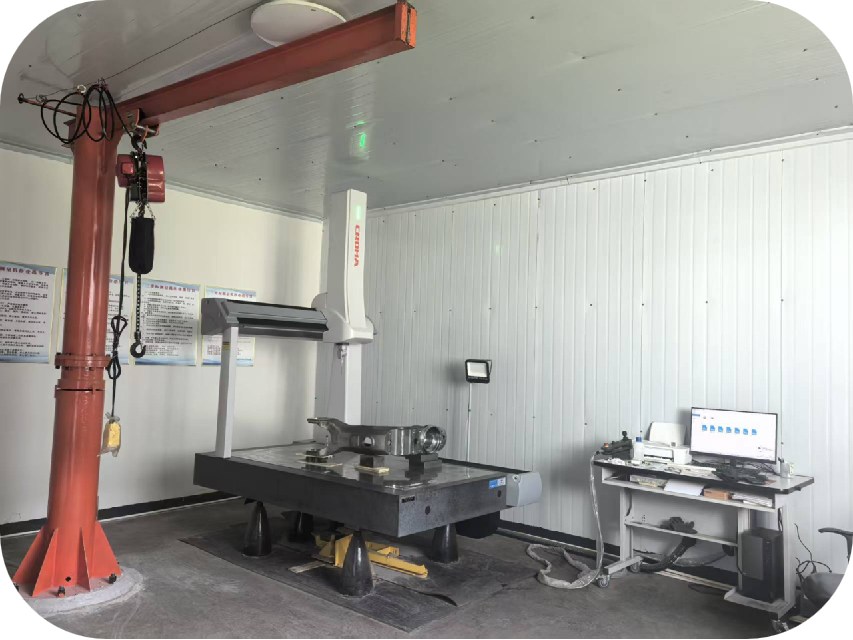 What should a CMM report show?Tie each reported value to the drawing feature and its acceptance limit.
 What to include in a casting RFQSend enough information for a like-for-like quotation.Can a supplier coordinate multiple component types?Internal evidence review — not published
Industry procurement FAQ
Body or cover?
Body review covers the internal cavity, connection geometry and machined interfaces. Cover review starts with the mating body, fastening pattern and sealing arrangement.
Can casting marks define my specification?
No. Markings on a photographed example are part-specific. Confirm your actual grade, connection standard and component test requirements in the project documents.
Which responsibility needs to be clear?
Identify who controls the valve assembly design and who approves component samples. Complete-valve approval is separate from the casting and machining supply scope.
Prepare your valve manufacturing enquiry
Bring the part drawing, material standard, quantities, service conditions and acceptance requirements into one technical discussion.
Complete valves or custom valve components?
Complete knife gate valves manufactured by a partner and offered through INMORE. Keep valve selection, assembly testing and documentation separate from custom casting and machining requirements.