Use this guide to prepare your technical enquiry and compare proposals. It distinguishes information to provide from evidence to request. Numerical capability limits and contractual commitments must be confirmed for the actual project.
Use the supplied evidence
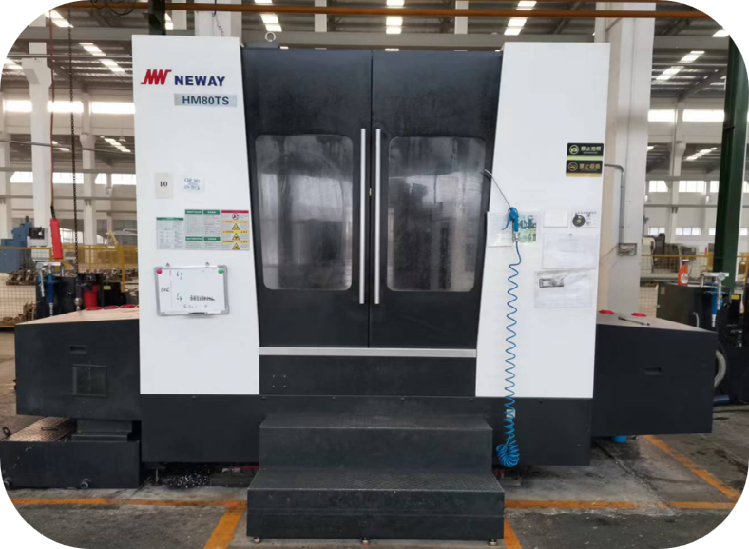
The INMORE catalogue describes component families, casting and machining resources, inspection resources and a four-step cooperation process. Match the relevant resource to your drawing and request the supporting records needed for acceptance.
Frequently asked questions
What happens after a drawing is submitted?
The catalogue describes sharing a design, defining machining and inspection details, aligning the manufacturing scope and then making and inspecting the agreed parts. Confirm open technical questions before a quotation is treated as final.
How are tooling and sample development managed?
Agree the tooling scope, sample quantity, inspection requirements and approval criteria before starting development. Request the proposed responsibilities and schedule rather than assuming a fixed sampling lead time.
How are drawing revisions controlled?
Use a clearly identified drawing revision in the enquiry, quotation and approval record. Confirm which revision supersedes the earlier version and what existing work is affected.
How are engineering changes handled during production?
Describe the changed feature and revision, then request confirmation of effects on tooling, work in progress, machining, inspection, price and timing before the change is used.
What should be approved before mass production?
Confirm the drawing and material, agreed sample results, inspection criteria, tooling scope, production quantity and delivery expectations. Record unresolved deviations before approving production.
Can custom castings be supplied for repeat orders?
Reference the previous part number and approved revision, then confirm that material, tooling, quantity and acceptance requirements remain applicable. A repeat order should identify any changes rather than relying on an old photograph.
How are part numbers and drawing revisions identified?
Put the customer part number and drawing revision on the enquiry and require them to appear in the scope confirmation. A website product-family URL is not a manufacturing drawing number.
What documentation can accompany shipments?
List the required dimensional, material, inspection, packing and shipping documents before quotation. Confirm the available documents and responsibility for each; the catalogue does not provide a standard shipment-document guarantee.
How are repeat orders and revisions managed?
Reference the approved part and revision, check changes since the prior order and reconfirm quantities and acceptance requirements. Record any updated tooling or inspection scope before release.
How are replacement castings developed from drawings?
Provide a current authorised drawing, part identifier and revision, and identify whether a sample is also available. Confirm material, supplied condition and mating requirements before treating the new component as an approved replacement.
How should OEM projects manage sample approval?
Agree sample identifiers, drawing revision, inspection results, deviations and who gives approval. Confirm what approval covers and which changes would require another review before repeat production.
Sources
Related products
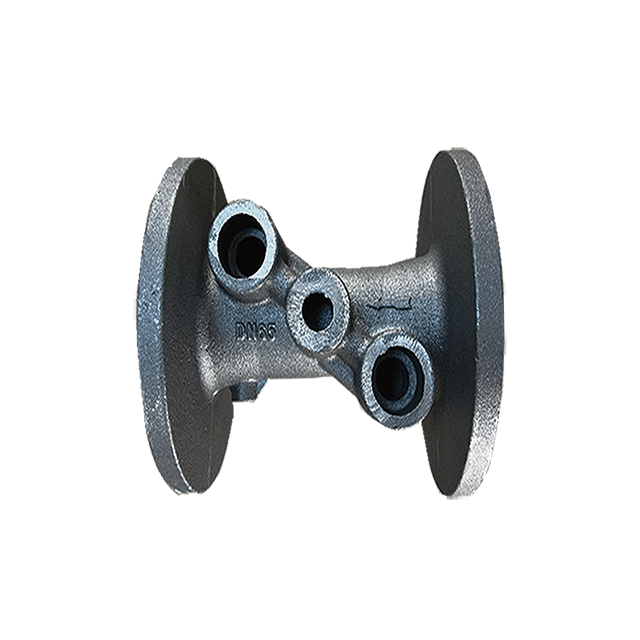 Custom valve body castingsCustom valve body castings for OEM assemblies. Share your drawing, material grade and machining scope for a quotation review.
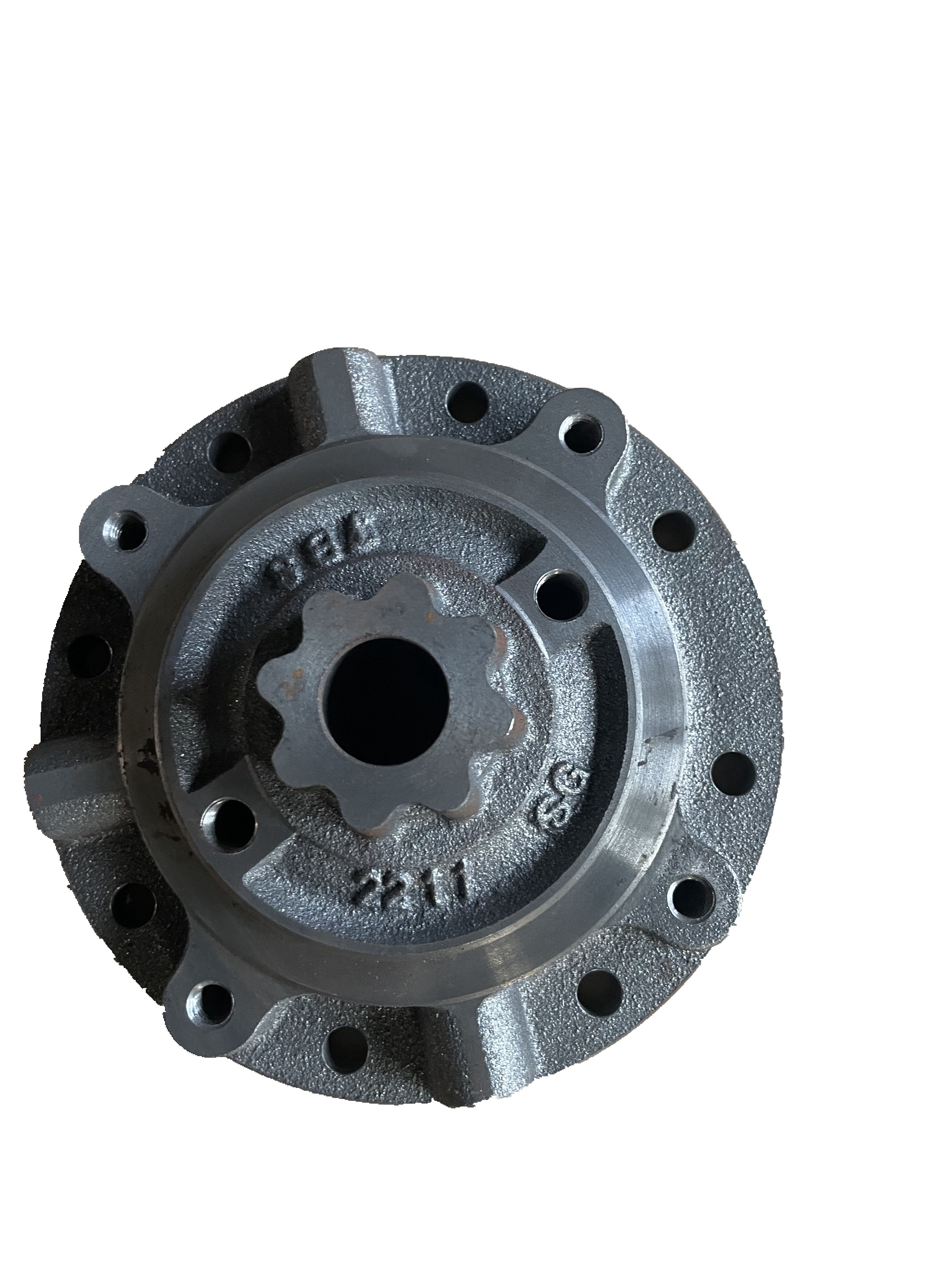 Custom valve covers and bonnet enquiriesCustom valve covers and bonnets for OEM assemblies. Share the mating body drawing, bolt pattern and sealing face requirements.
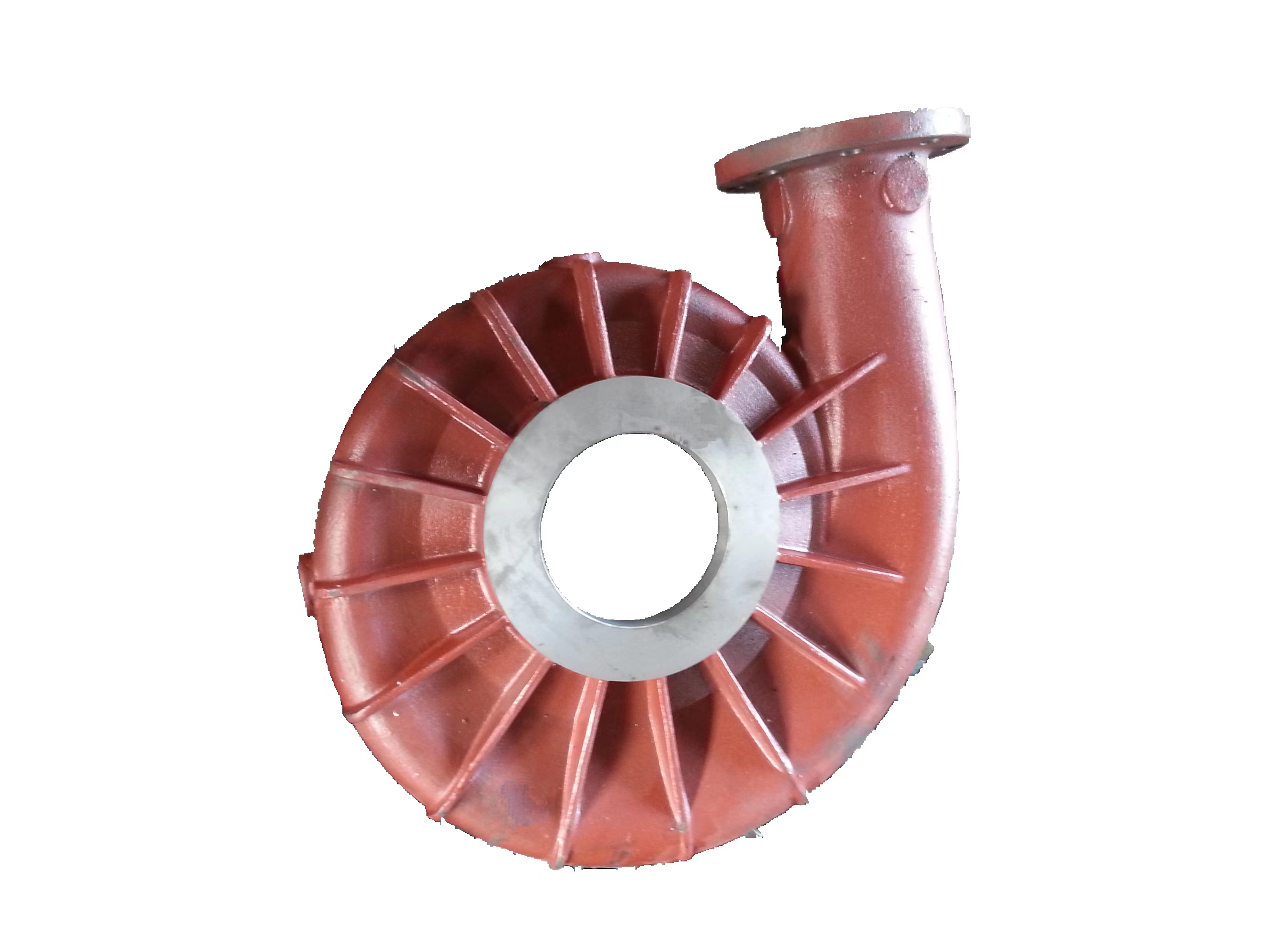 Custom pump casing castingsCustom pump casings and volute housings made to your drawing. Identify connection faces, material grade and surfaces to machine.
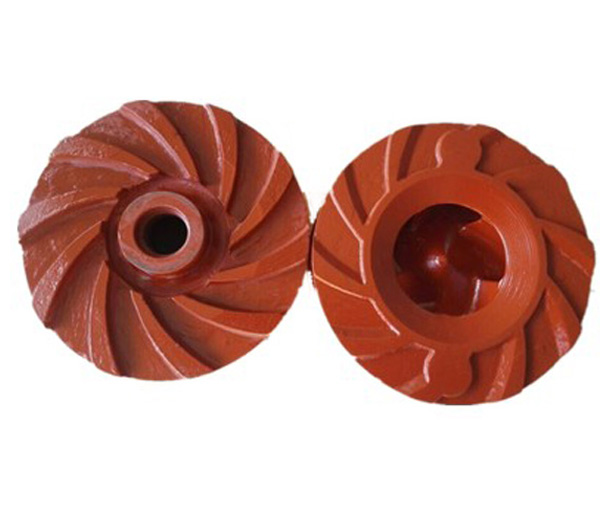 Custom pump impeller castingsCustom pump impeller castings for drawing-based projects. Specify vane geometry, bore, material and finishing requirements.
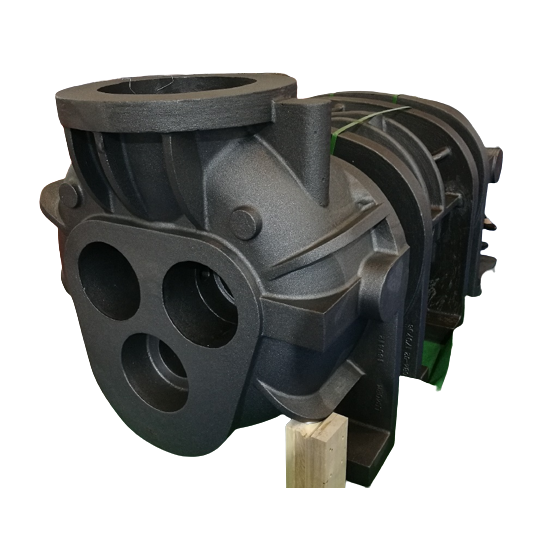 Custom machinery castings and housingsCustom housings, brackets and structural castings for industrial machinery. Mark critical bores and mounting faces on your drawing.
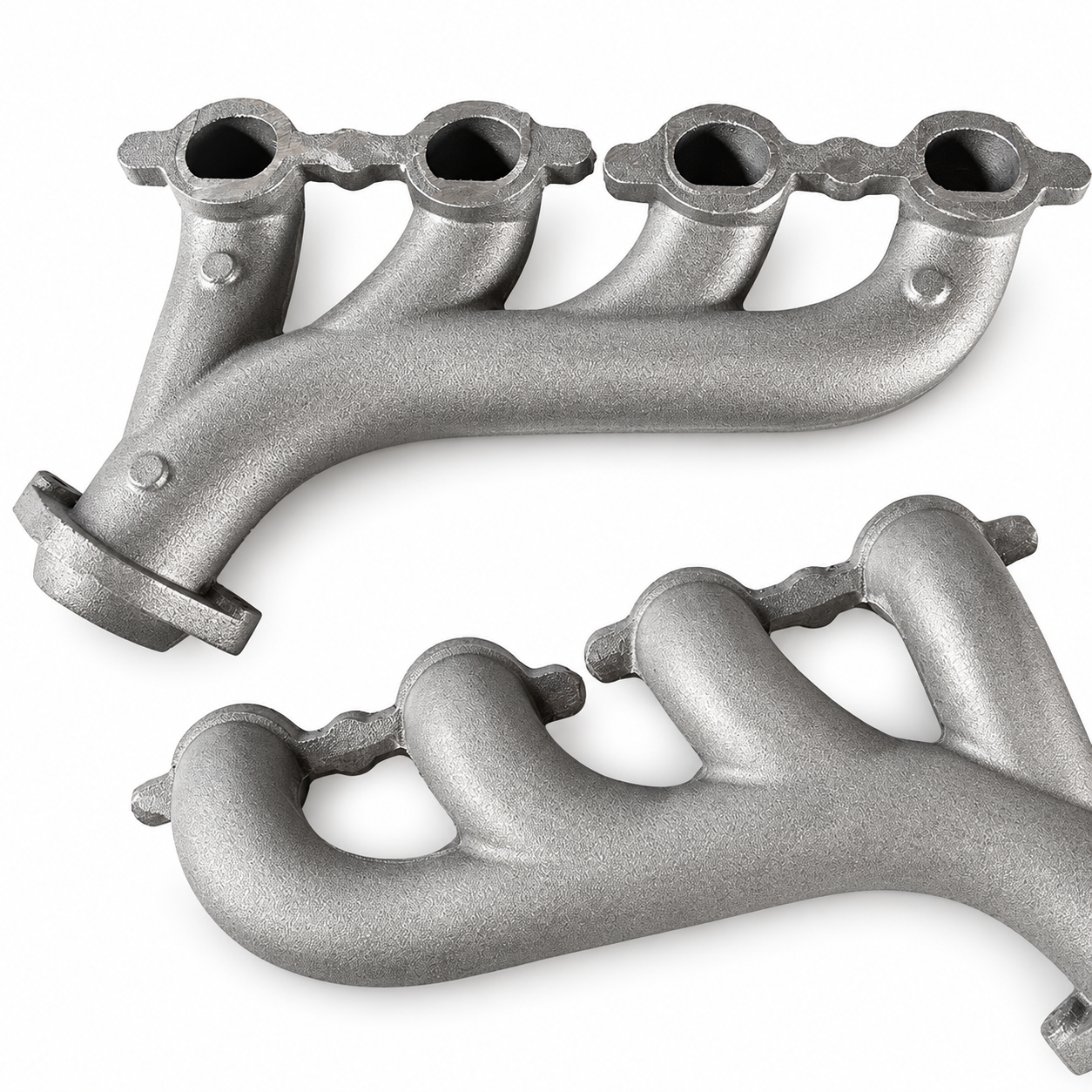 Drawing-based OEM metal componentsSource custom castings and CNC machined metal parts from your drawing. Share the material, quantity and inspection requirements.