
Pump Parts — families & component examples
Browse pump parts by component family, individual photograph and purchasing requirement.
- Component families
- 2
- Individual photo references
- 6
- Specification basis
- Customer drawing
From a pump assembly to the right component
Review casings and impellers as separate drawing-controlled components. Use this hub to identify the part family, compare interfaces and prepare the casting, machining and inspection scope.
Product families
Custom pump casing castingsCustom pump casings and volute housings made to your drawing. Identify connection faces, material grade and surfaces to machine.Custom pump impeller castingsCustom pump impeller castings for drawing-based projects. Specify vane geometry, bore, material and finishing requirements.Start with the component’s job
| Family | What to compare | Next step |
|---|---|---|
| Custom pump casing castings | Casing geometry, inlet/outlet interfaces, mounting feet and machined sealing surfaces. | 3 photographed examples; drawing review required |
| Custom pump impeller castings | Impeller geometry, hub and shaft interfaces, material and acceptance requirements. | 3 photographed examples; drawing review required |
Individual component examples
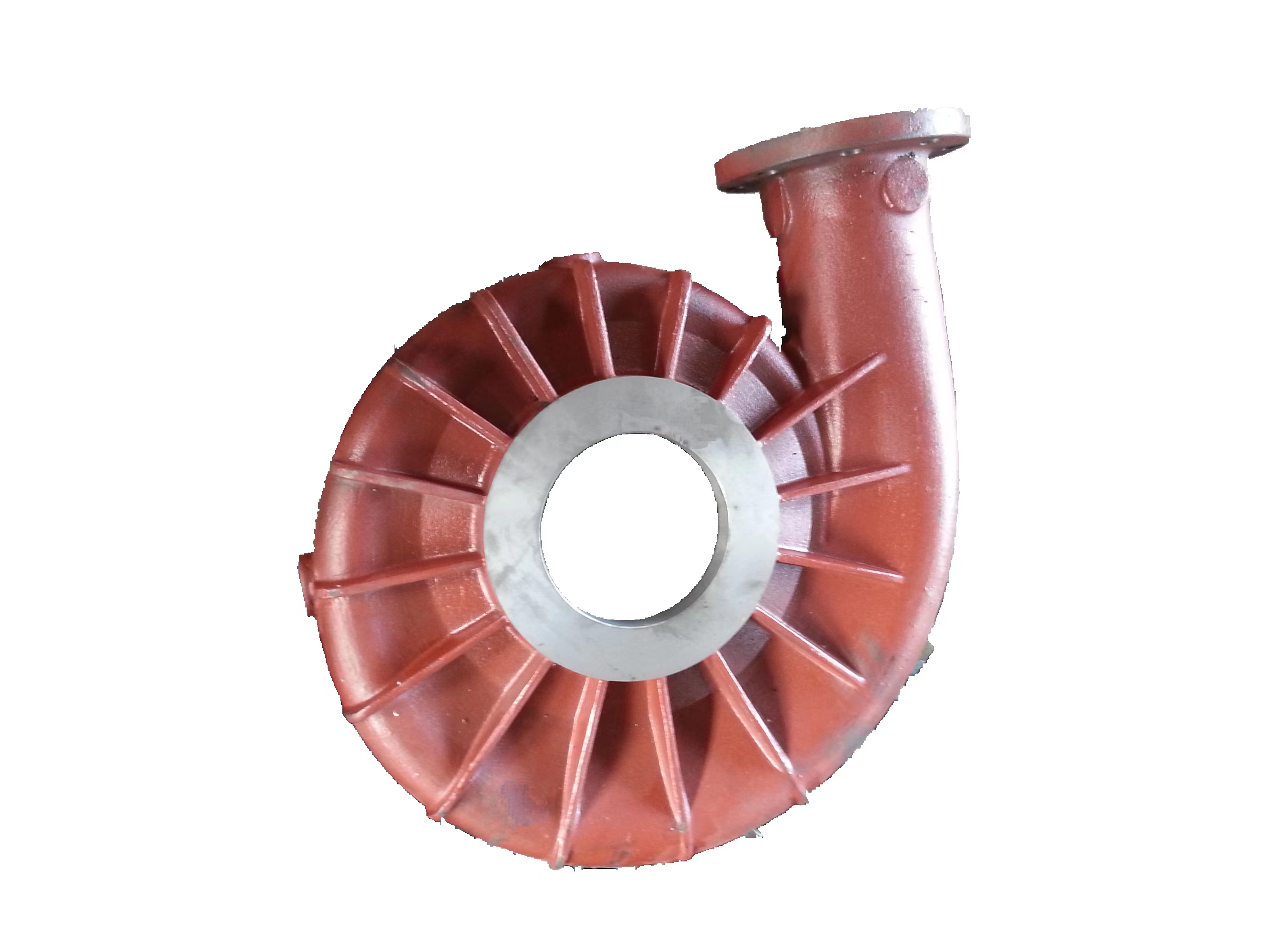
 Pump casing with circular machined faceThe supplied image shows a red casing with a large circular face, central opening and radial exterior ribs.
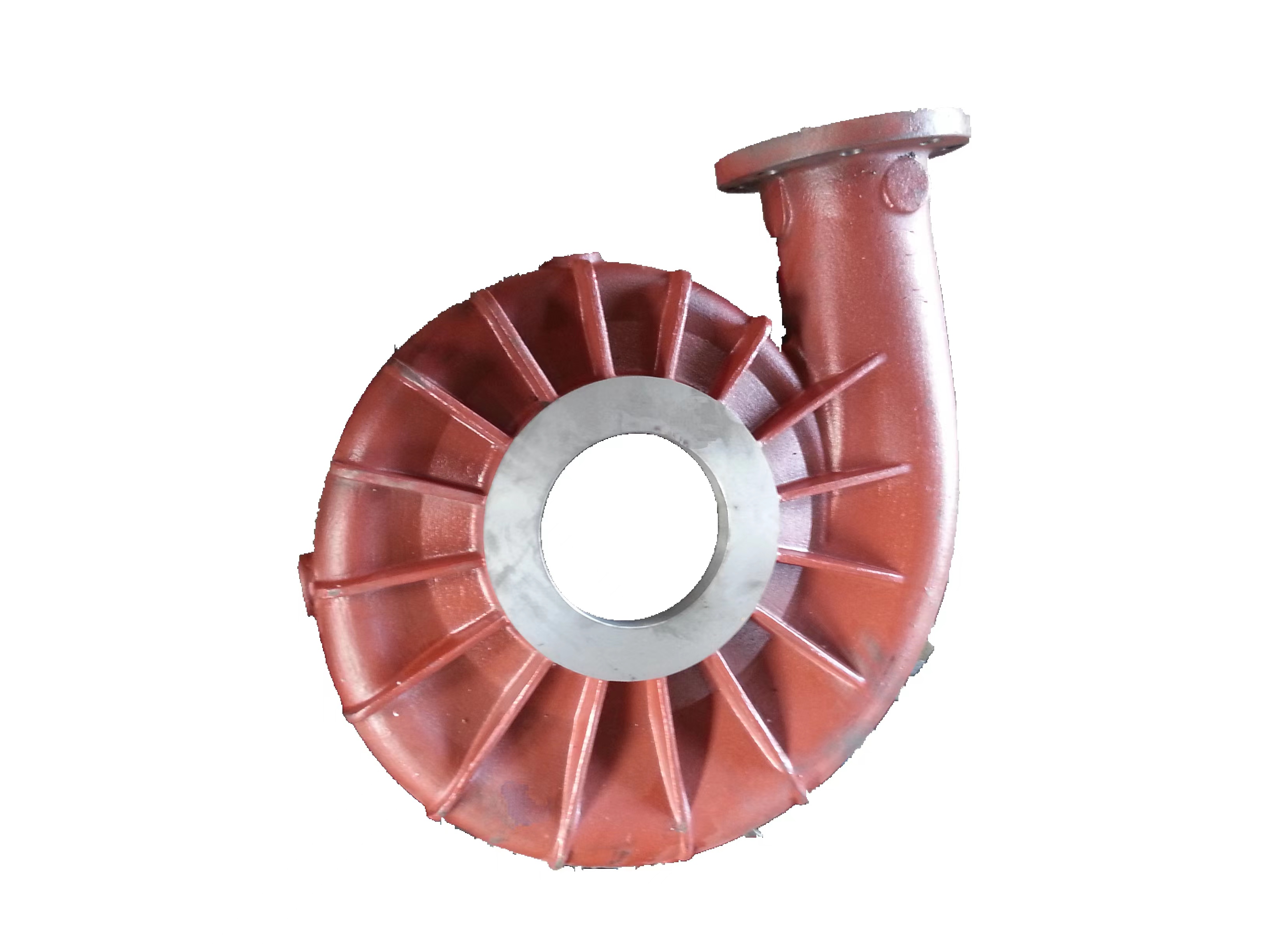
 Flanged volute casing exampleThe supplied image shows a red volute-shaped housing with a circular inlet and a flanged outlet.
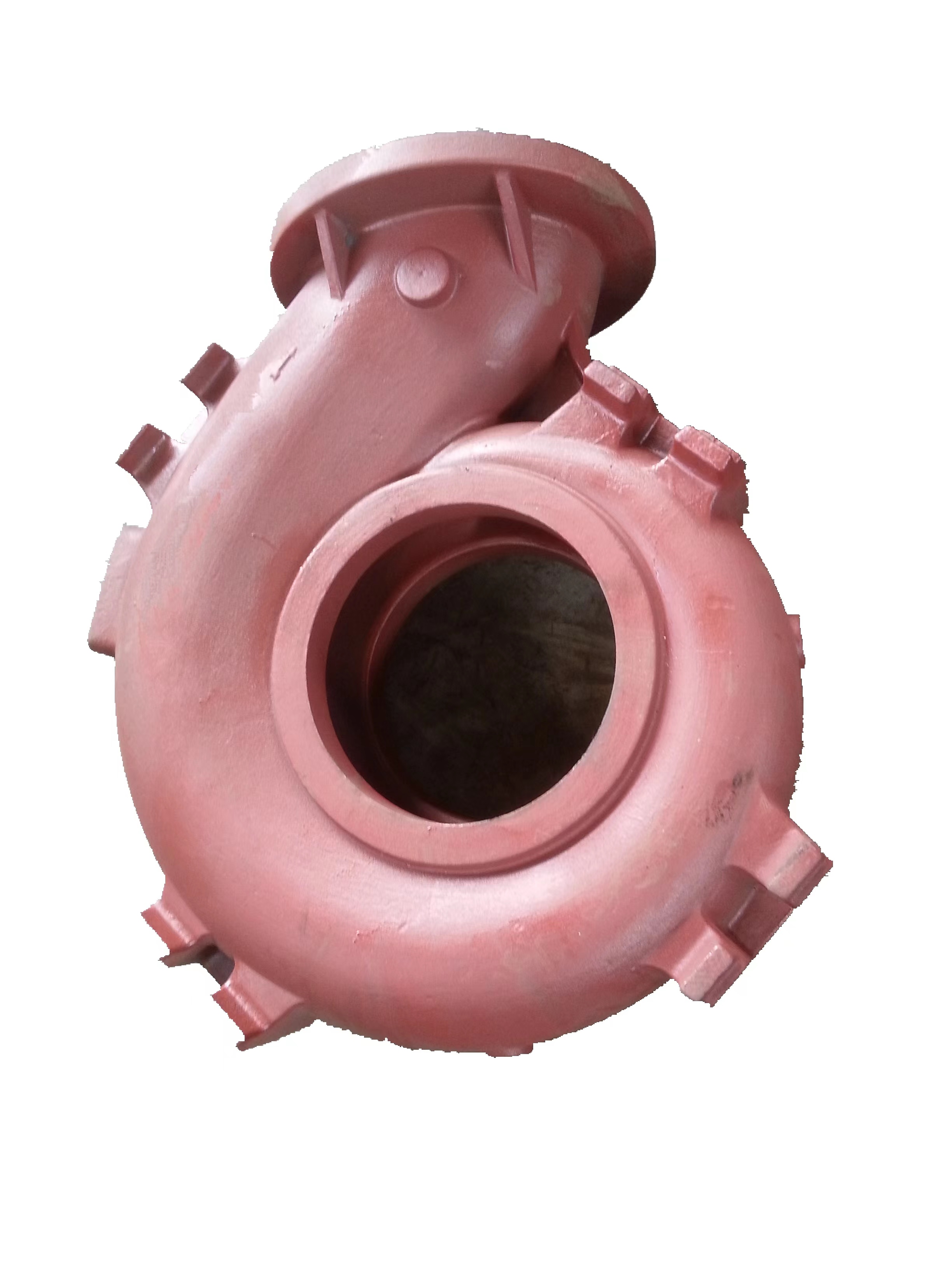
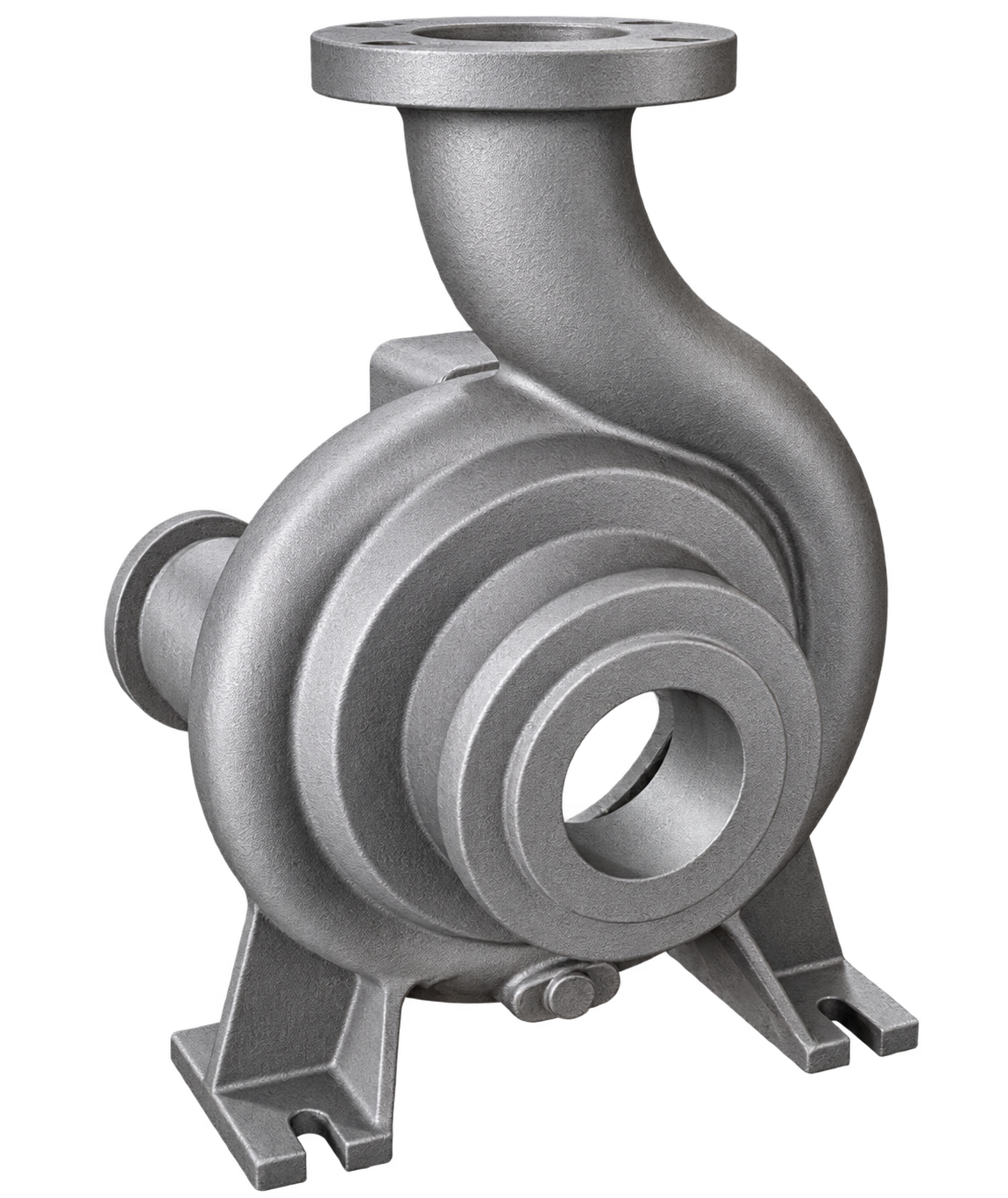 Uncoated pump housing exampleThe supplied image shows an uncoated housing with circular openings, a flanged upper connection and mounting feet.
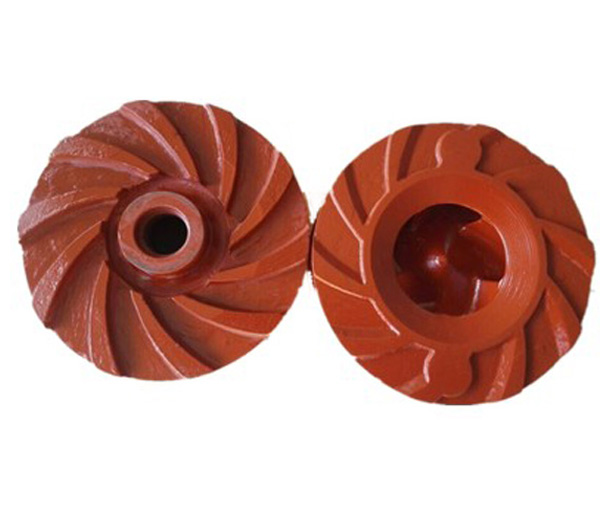
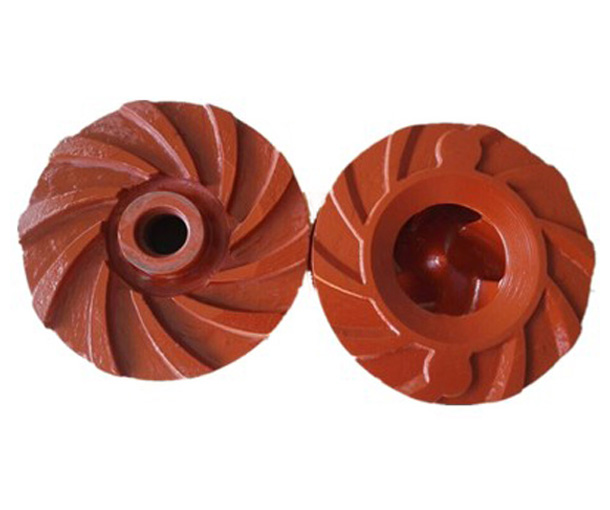 Red impeller examples — two viewsThe supplied photograph contains two red impeller views showing curved passages and a central hub.
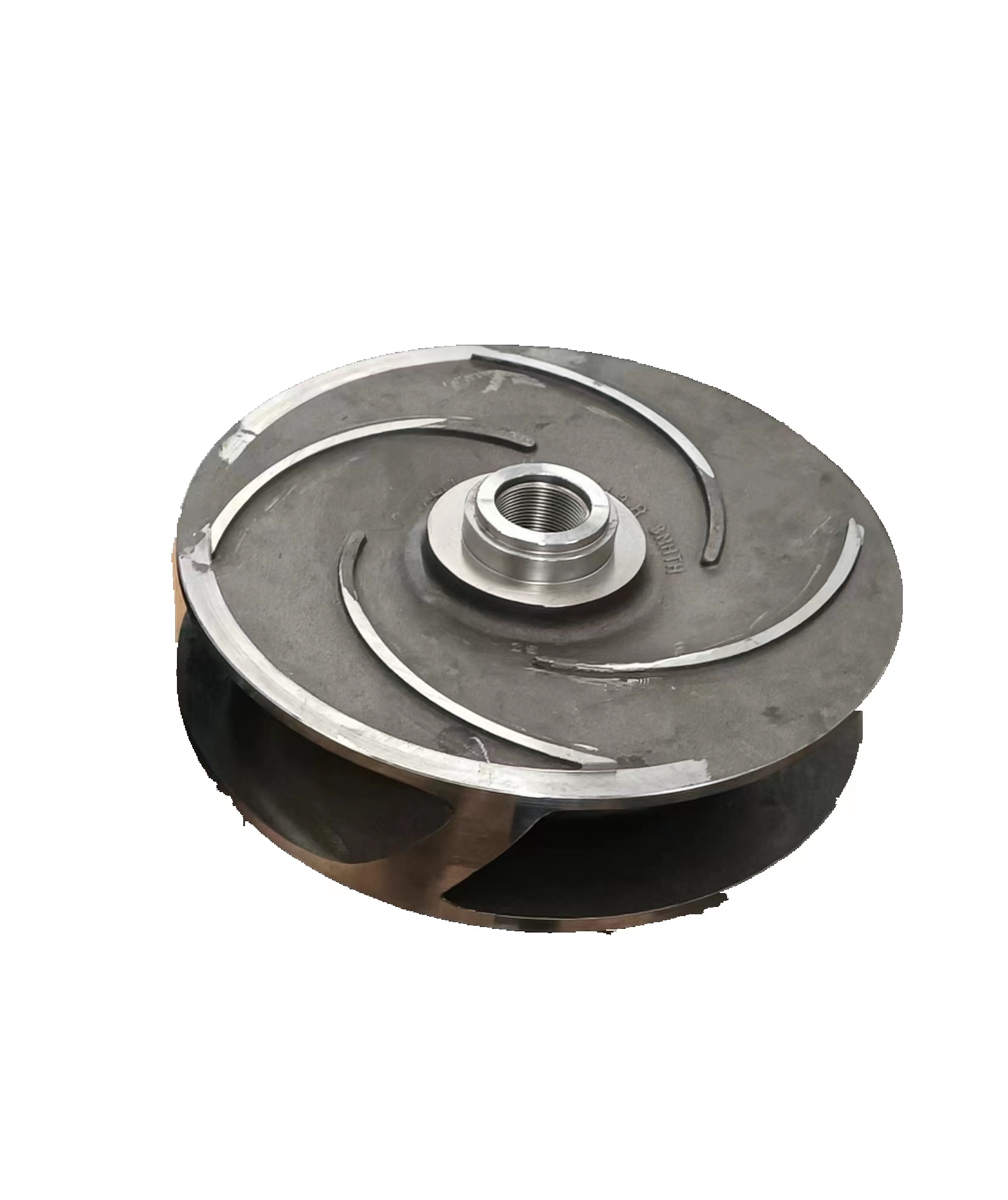 Metallic impeller exampleThe supplied photograph shows an impeller with curved blade surfaces, a central bore and hub.
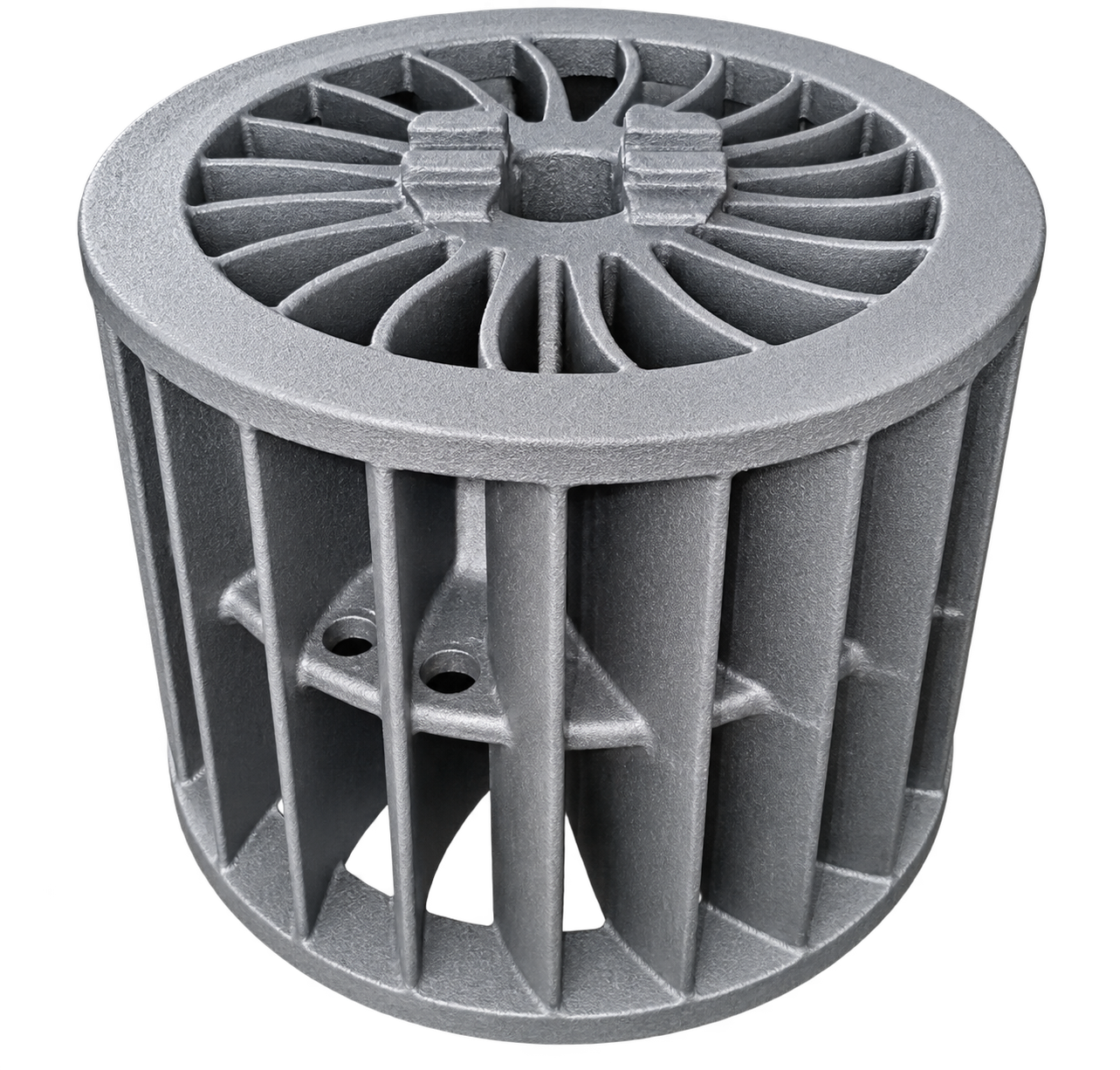 Radial-vane pump component exampleThe supplied pump-component image shows multiple radial vanes around a central hub. Exact part designation must be confirmed against your drawing.
Applications and procurement scenarios
Guides for the next decision
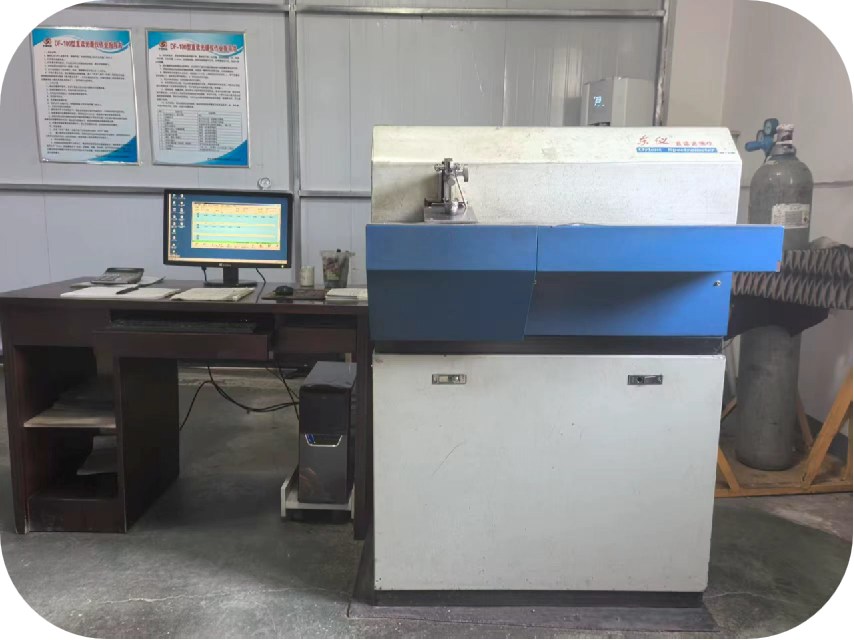 How to specify material for a pump casingStart with service conditions and the drawing, then agree a material grade.
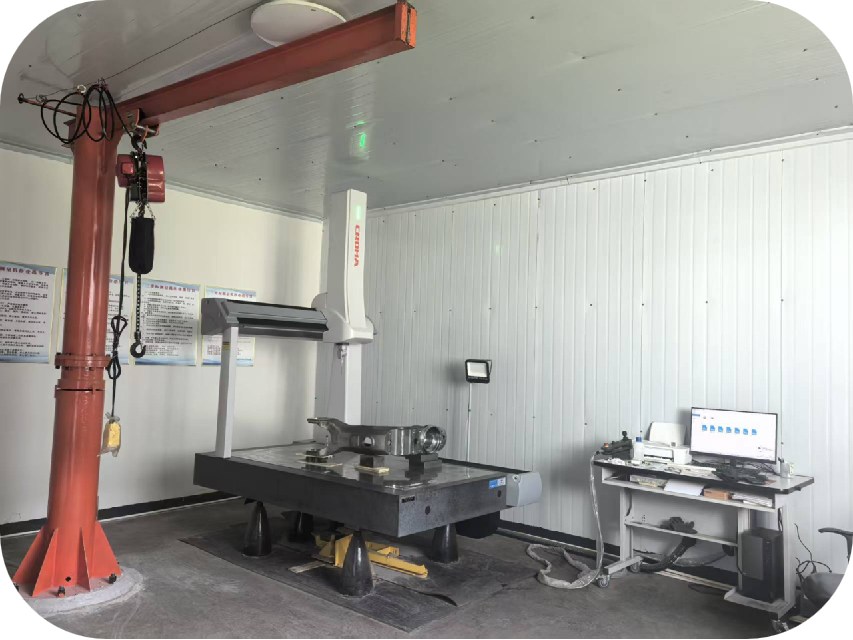 What should a CMM report show?Tie each reported value to the drawing feature and its acceptance limit.
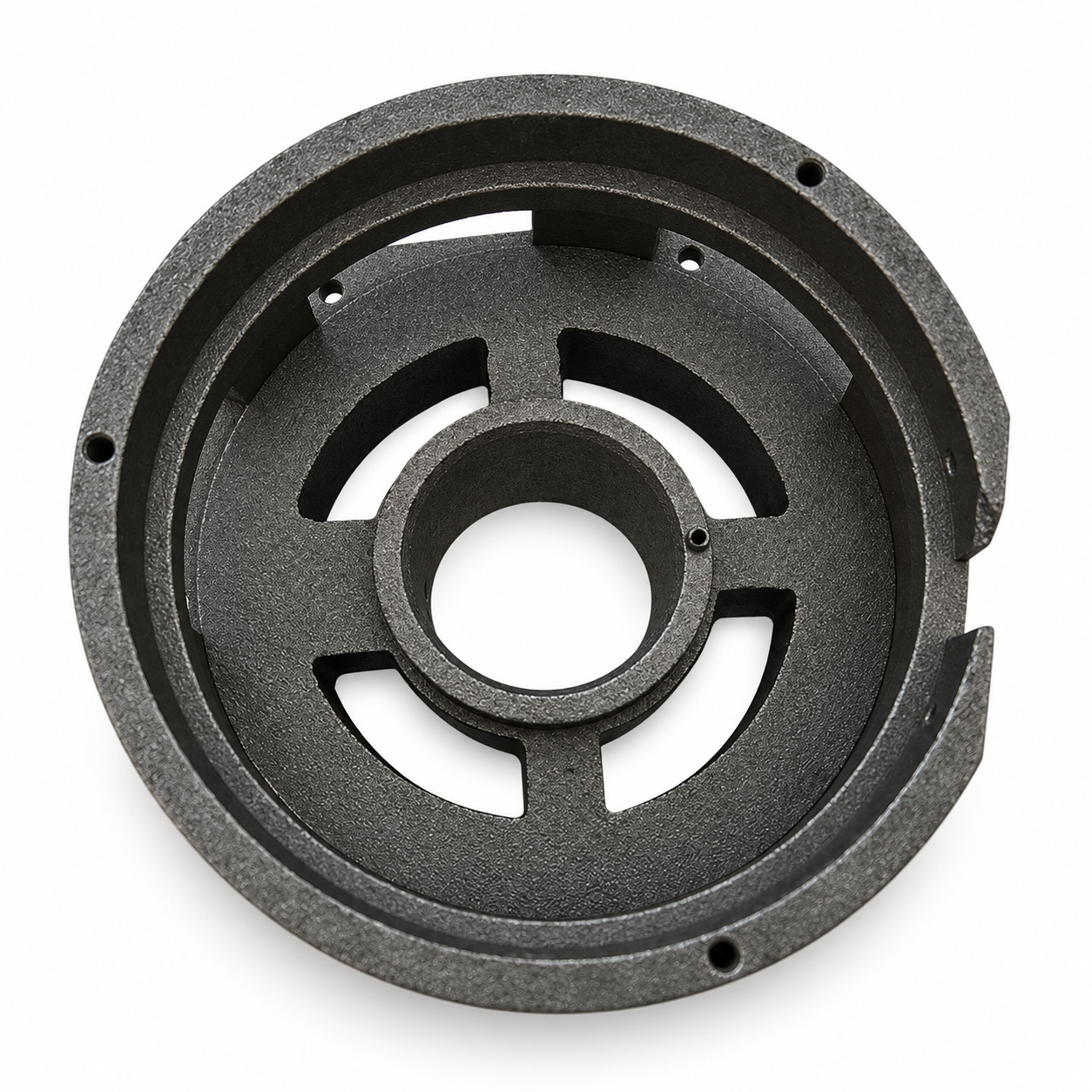 What to include in a casting RFQSend enough information for a like-for-like quotation.Can a supplier coordinate multiple component types?Internal evidence review — not published
Compare the requirements that change your buying decision
| Decision | Information to provide | Review route |
|---|---|---|
| Casing interfaces | Inlet and outlet drawings, flange faces, sealing registers and mounting feet | Pump casing family |
| Impeller interfaces | Approved vane geometry, bore, hub and shaft relationship | Pump impeller family |
| Service conditions | Fluid, temperature, pressure and relevant operating constraints | Material and design review |
| Acceptance | Critical dimensions and any specified component-level tests | Inspection plan before quotation |
Material, casting & machining scope
| Review area | Documented company scope | How to apply it |
|---|---|---|
| Material families | Gray iron, ductile iron and cast steel | Catalogue p. 3; the specific grade must be agreed for the part |
| Casting routes | Resin sand, shell molding and investment casting | Catalogue p. 3; route and manufacturing responsibility reviewed per project |
| Machining | Turning, milling, drilling, tapping and grinding | Catalogue pp. 3 & 5; dimensions, datums and tolerances come from the drawing |
| Finishing & inspection | Surface treatment, dimensional checks and material verification | Catalogue pp. 3, 9 & 10; agree the required method and acceptance record |
Technical evidence and specification coverage
| Available basis | What it supports | What the project must establish |
|---|---|---|
| Company catalogue — page 7 | General component or company scope | Exact part identity and drawing revision |
| Original component photographs | Visible geometry and a reference for discussion | Dimensions, grade and operating limits |
| Inspection equipment photographs — pp. 9–10 | Manufacturing-resource review | Actual inspection plan, results and acceptance criteria |
From drawing to a defined order
- Define
Provide the part, drawing revision, material and application conditions.
- Review
Resolve geometry, manufacturing scope and inspection questions.
- Approve
Agree quotation scope and the required sample acceptance package.
- Release
Confirm the controlled revision, quantities and delivery documentation.
Questions before you shortlist a supplier
Casing or impeller?
Use the casing route for housings, flow-path cavities, connection faces and mounting features. Use the impeller route for vane geometry, the hub and shaft interface.
What does the buyer define?
Provide the approved geometry, material grade, design interfaces and acceptance requirements. The component catalogue does not establish whole-pump flow, head or efficiency.
What should a quotation separate?
Tooling, casting, machining, finishing and required inspection records. Define the sample stage and the recurring supply scope before comparing offers.
Prepare a technically comparable quotation
Provide the controlled drawing and revision, material standard, casting or machining scope, quantities, service conditions and required inspection records. Photo references help identify shape; approved drawings establish the specification.