
Use this guide to prepare your technical enquiry and compare proposals. It distinguishes information to provide from evidence to request. Numerical capability limits and contractual commitments must be confirmed for the actual project.
Use the supplied evidence
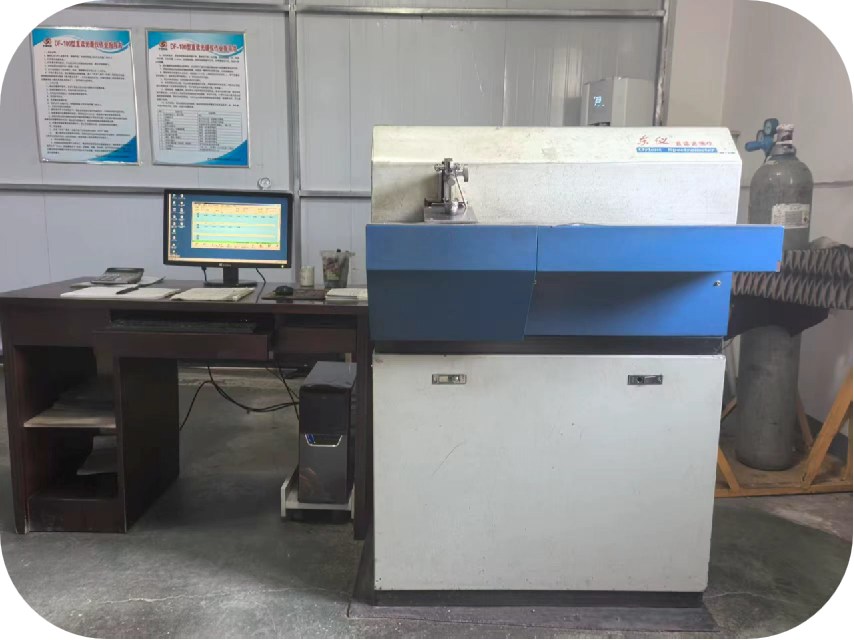
The INMORE catalogue describes component families, casting and machining resources, inspection resources and a four-step cooperation process. Match the relevant resource to your drawing and request the supporting records needed for acceptance.
Frequently asked questions
How do gray iron and ductile iron differ?
Begin with the material standard and required properties on the design, not just the names gray iron and ductile iron. INMORE lists both material families; request a grade-specific review and supporting test documentation before selecting a substitute.
What materials are commonly used for industrial pump castings?
The company lists gray iron, ductile iron and cast steel as material families. Select a specific grade using the approved component design and service requirements; the catalogue does not assign a grade to each pump photograph.
How do I specify EN-GJL grades?
State the complete material designation and governing standard version on the drawing or material specification. Ask for the required properties and documentation to be reviewed; this site does not publish an unverified equivalence table.
Which ductile iron grades suit load-bearing parts?
Provide the design loads and specified material-property requirements to the responsible designer, then request review of the selected grade and test evidence. Do not choose a load-bearing grade from a component photo.
What is the difference between EN-GJS and ASTM A536?
Treat EN-GJS and ASTM A536 designations as specifications to compare, not automatic one-to-one substitutes. Identify the exact grades, standard editions, required properties and approval authority for the project.
When should cast steel be considered?
Consider the approved design requirements and required material properties, then compare an identified cast-steel grade with the alternatives. INMORE lists cast steel, but the catalogue gives no part-specific performance comparison.
How do material grades affect casting costs?
Compare quotations for the same exact grade, quantity and required tests. Ask the supplier to identify material-related assumptions or surcharges separately from tooling, machining and inspection.
What should a material test report contain?
Request material identification, grade and standard, applicable test requirements, results and a link to the supplied material or parts. Agree the required document scope before placing the order.
How is chemical composition verified?
Specify the grade, required composition checks and reporting requirement. The catalogue shows material-analysis resources; request the actual project test evidence rather than inferring results from an equipment image.
What mechanical properties should be specified?
Use the governing design and material specification to state the required mechanical properties and test conditions. Ask which records will demonstrate compliance for the component or material being supplied.
How does section thickness affect material selection?
Provide the component section dimensions and required properties when seeking a material review. Do not infer uniform properties throughout a part from the generic material-family name.
Sources
Related products
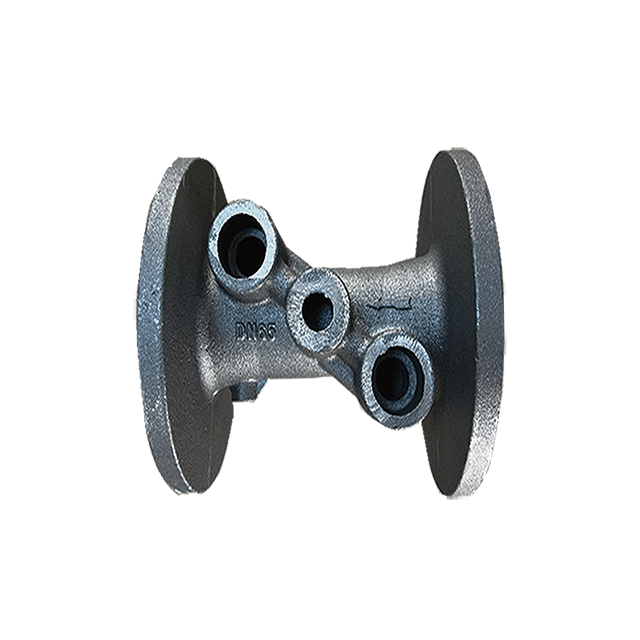 Custom valve body castingsCustom valve body castings for OEM assemblies. Share your drawing, material grade and machining scope for a quotation review.
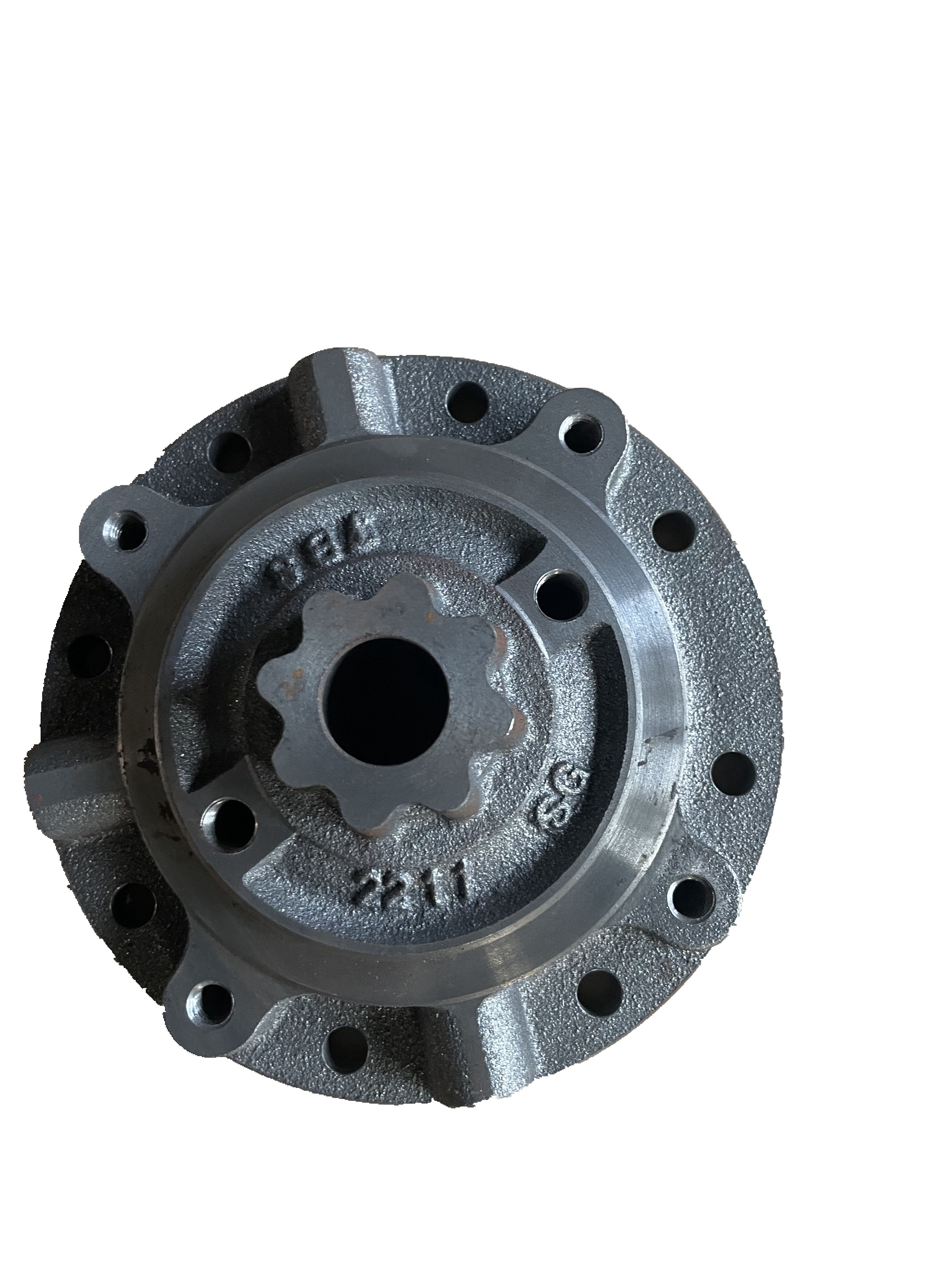 Custom valve covers and bonnet enquiriesCustom valve covers and bonnets for OEM assemblies. Share the mating body drawing, bolt pattern and sealing face requirements.
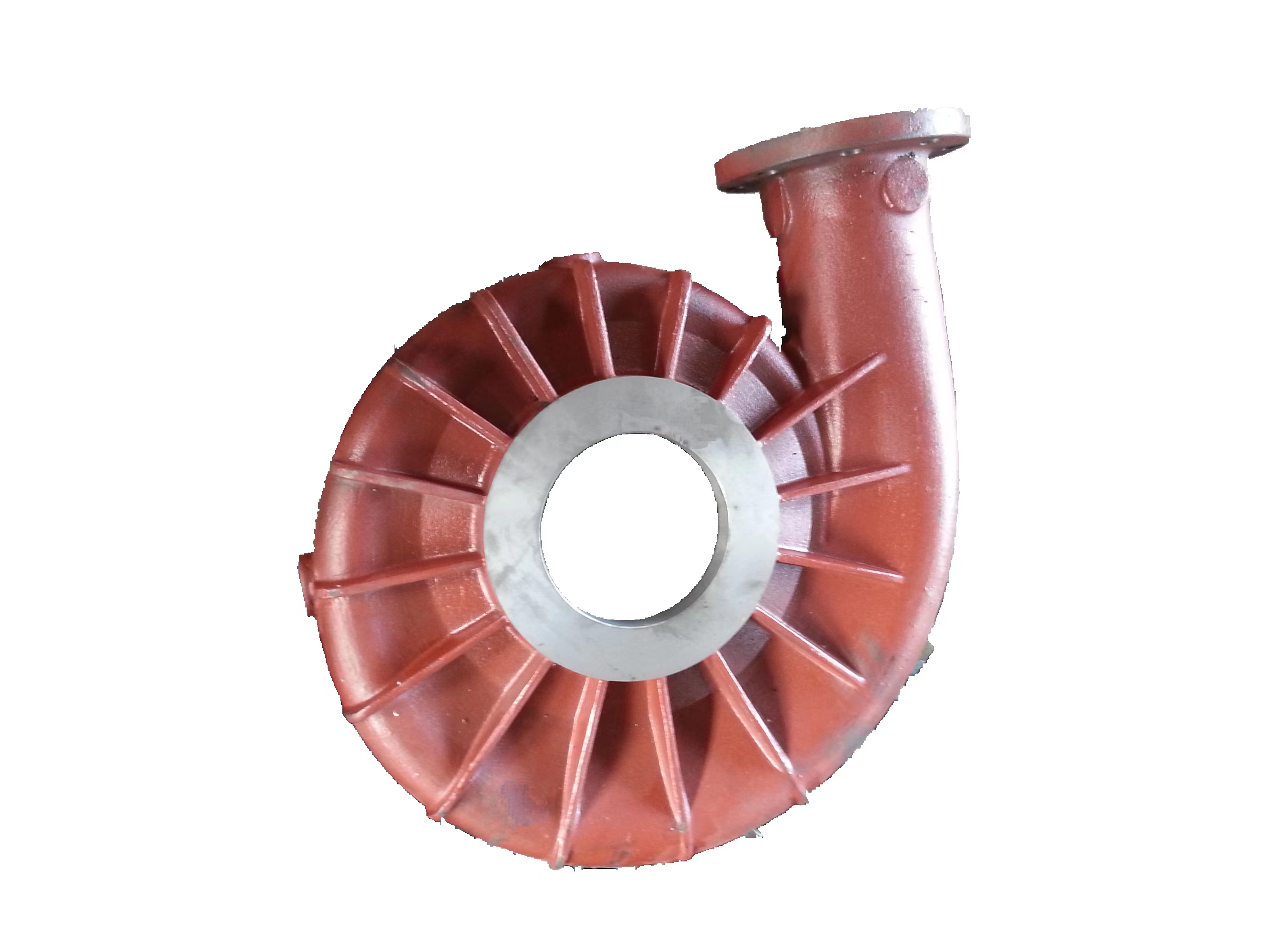 Custom pump casing castingsCustom pump casings and volute housings made to your drawing. Identify connection faces, material grade and surfaces to machine.
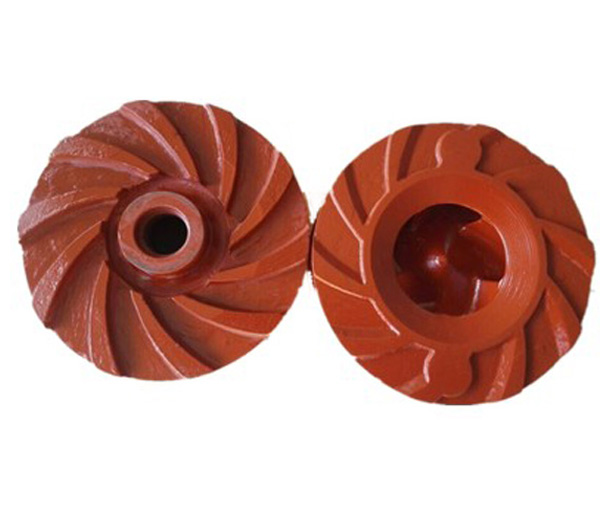 Custom pump impeller castingsCustom pump impeller castings for drawing-based projects. Specify vane geometry, bore, material and finishing requirements.
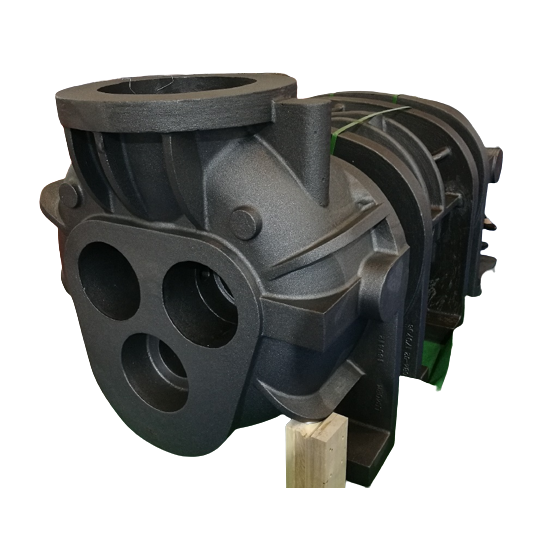 Custom machinery castings and housingsCustom housings, brackets and structural castings for industrial machinery. Mark critical bores and mounting faces on your drawing.
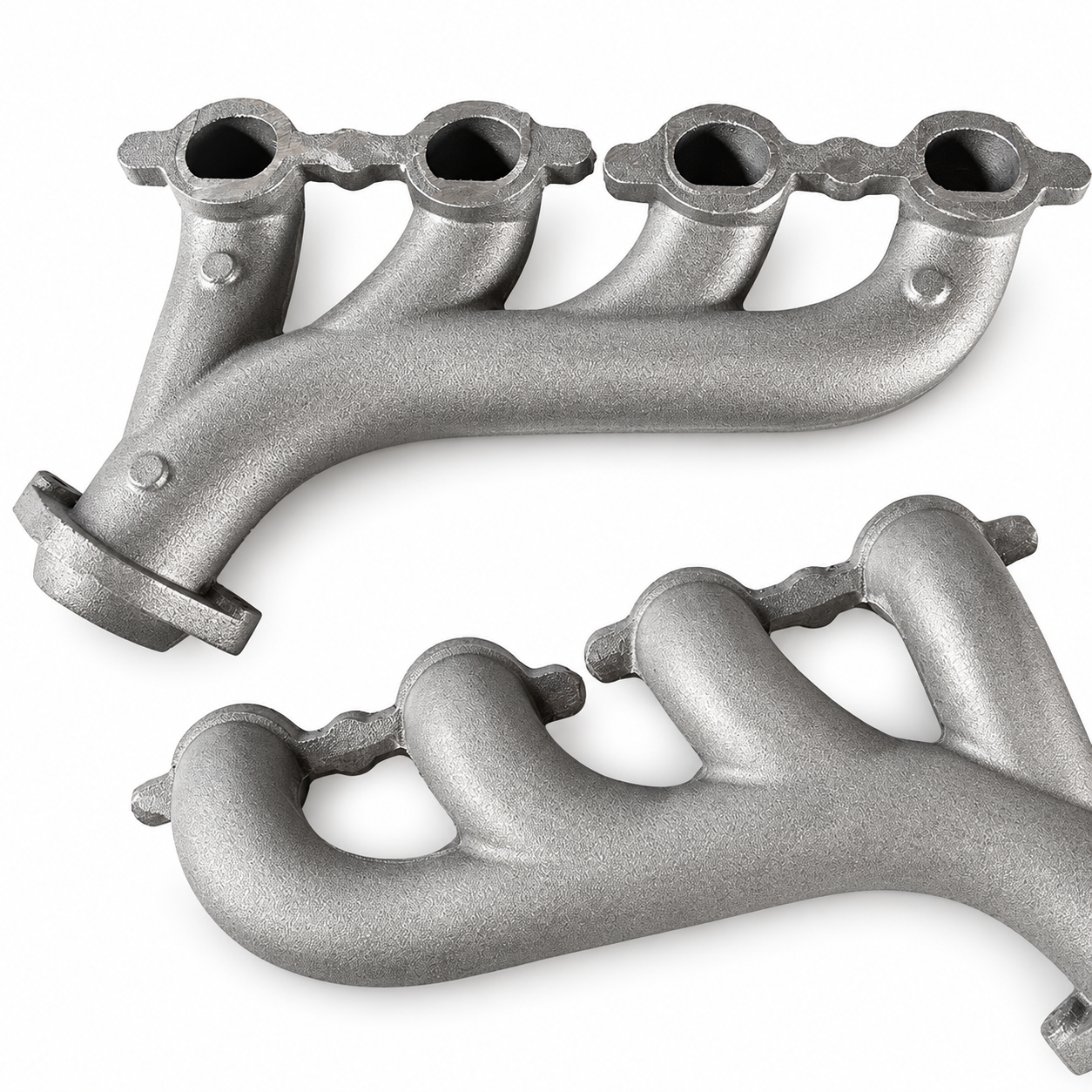 Drawing-based OEM metal componentsSource custom castings and CNC machined metal parts from your drawing. Share the material, quantity and inspection requirements.
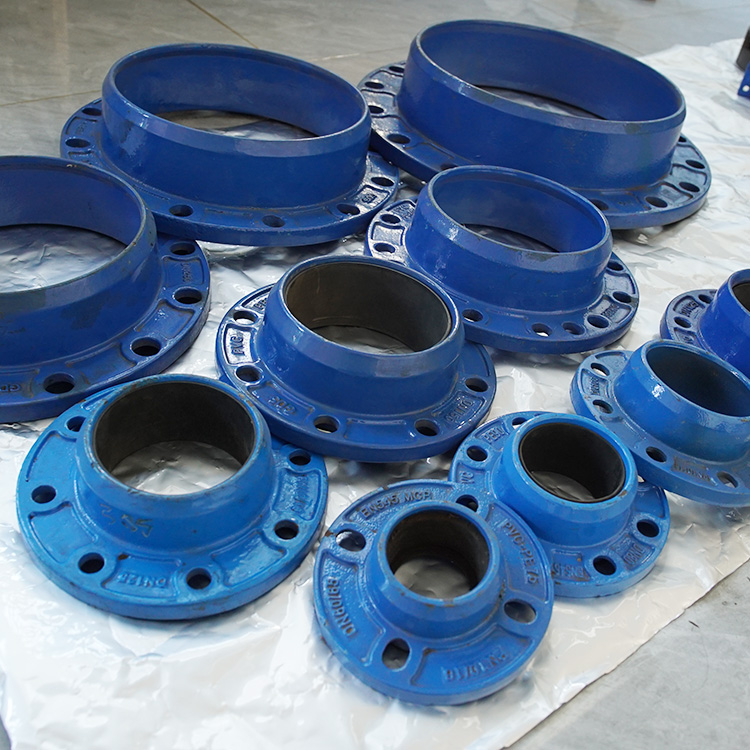 Quick-coupling and flanged connection componentsQuick coupling and flanged components for pipe connections. Check pipe outside diameter, flange drilling and seal details before requesting a quote.
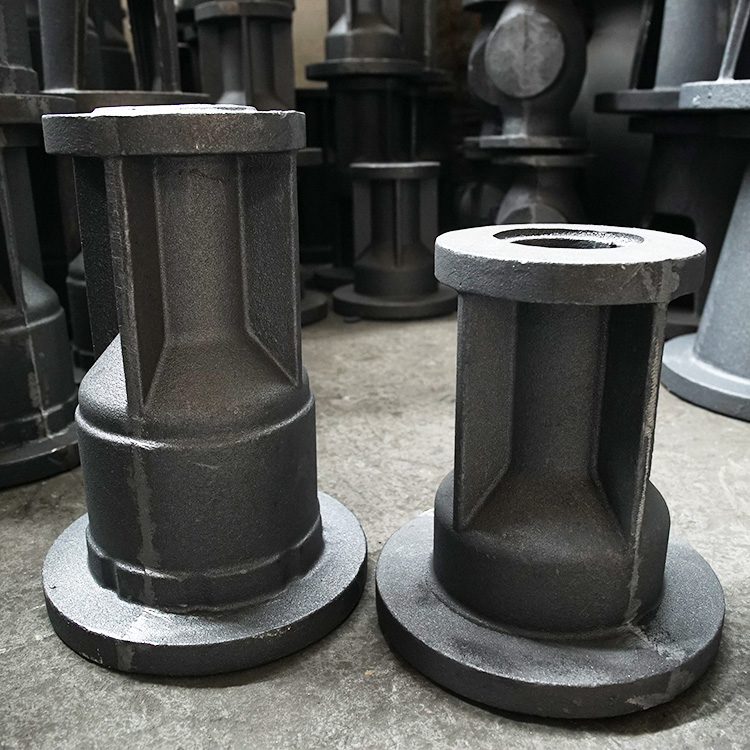 Ribbed valve connection castingsRibbed castings for valve connections. Share the end connection, bore and mating geometry to define the machining scope.
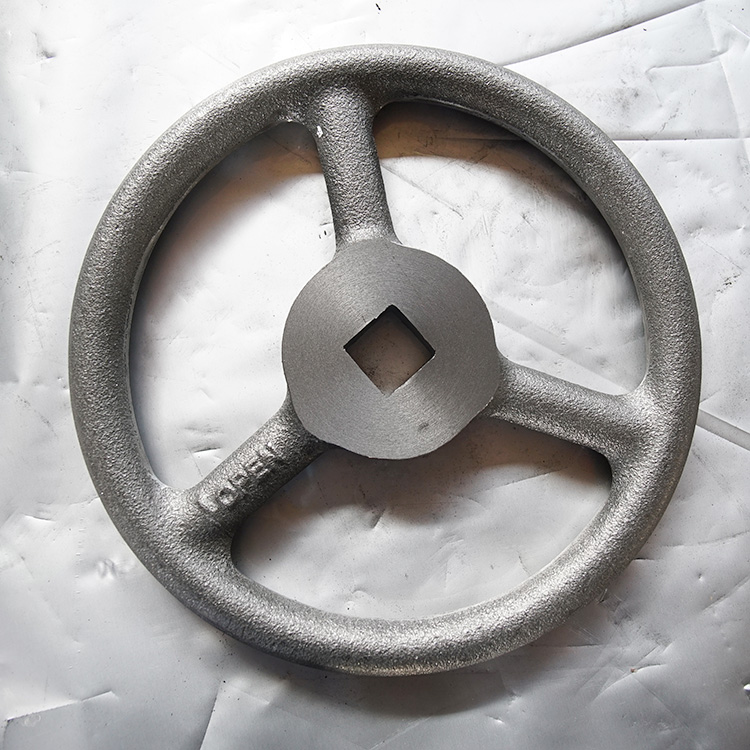 Mechanical handwheelsSpoked mechanical handwheels. Specify the outside diameter, hub dimensions and shaft interface for drawing review.
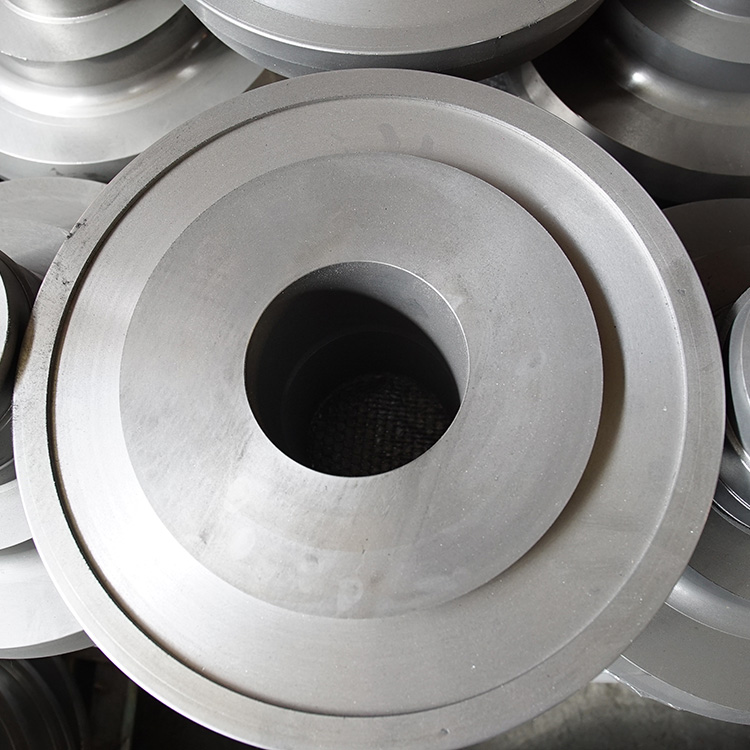 Circular cast and machined componentsCast and machined discs, hubs and sleeves. Mark the critical diameters, bores and mating faces on your drawing.
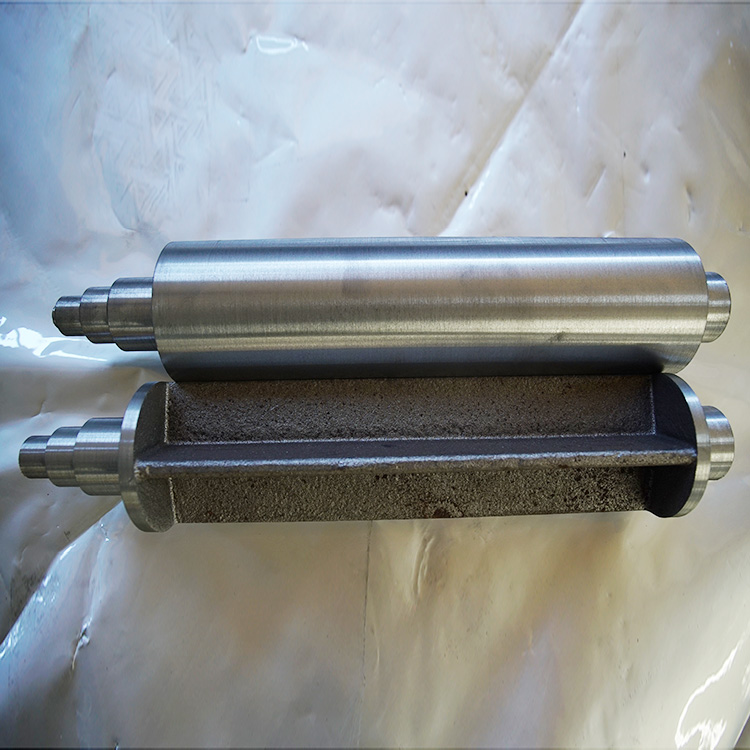 Machined rollers and shaft componentsMachined rollers and shaft components. Share the diameter, end geometry and surface requirements for quotation review.