
Custom Components — families & component examples
Browse custom components by component family, individual photograph and purchasing requirement.
- Component families
- 1
- Individual photo references
- 2
- Specification basis
- Customer drawing
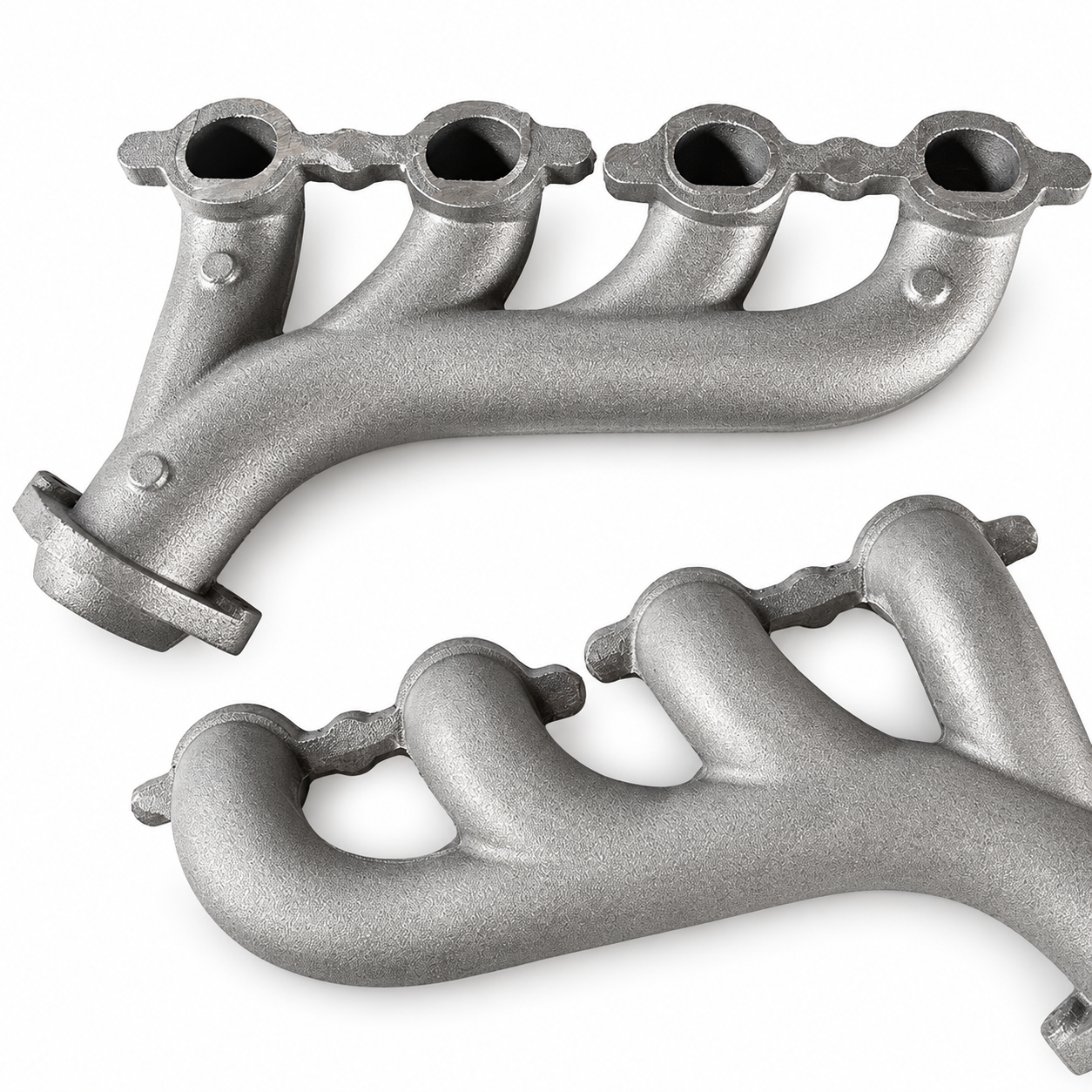
Start with your drawing when the part does not fit a standard family
Use the custom-component route to describe an OEM part, establish its function and review the proposed material, casting and machining scope. The supplied examples support a discussion, not an interchangeable stock catalogue.
Product families
Start with the component’s job
| Family | What to compare | Next step |
|---|---|---|
| Drawing-based OEM metal components | A drawing-defined component that needs its function and manufacturing route confirmed. | 2 photographed examples; drawing review required |
Individual component examples
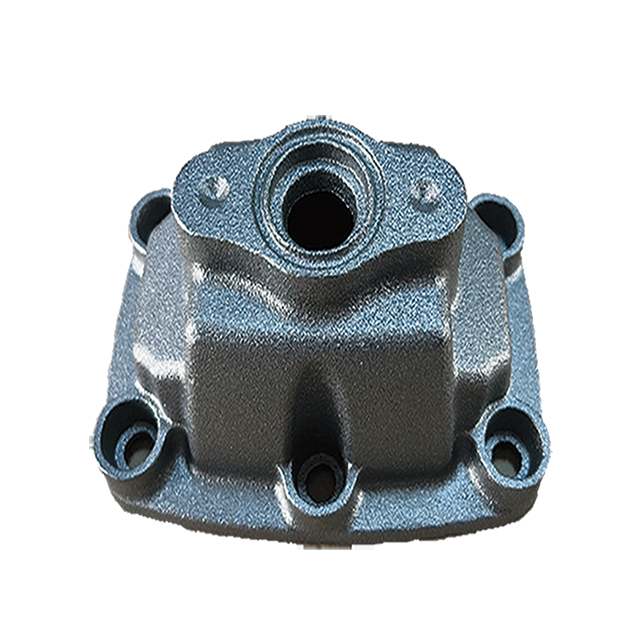 Domed cover component exampleThe supplied valve-components folder contains a domed component with a raised central feature and perimeter mounting holes. Its filename alone does not establish its application.
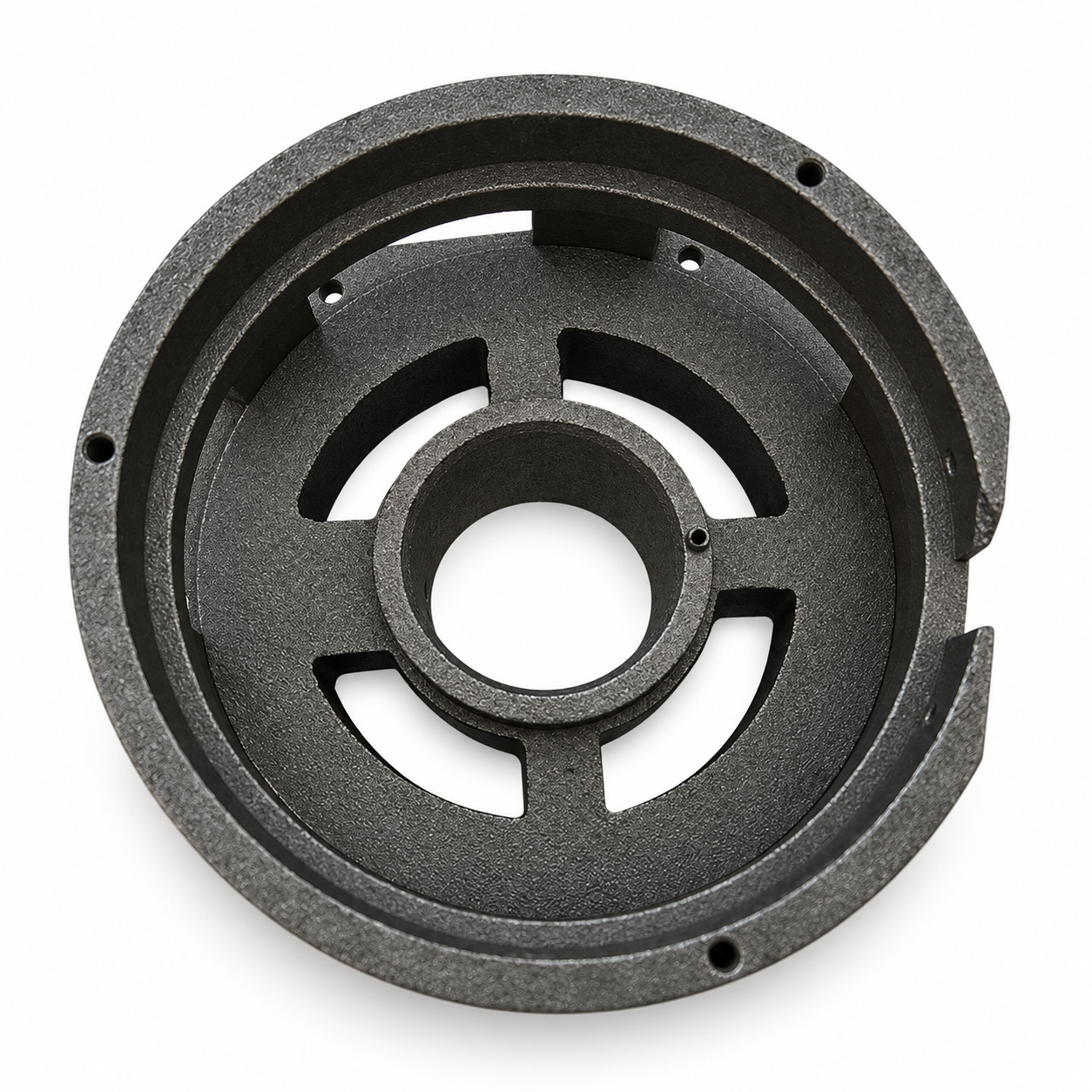
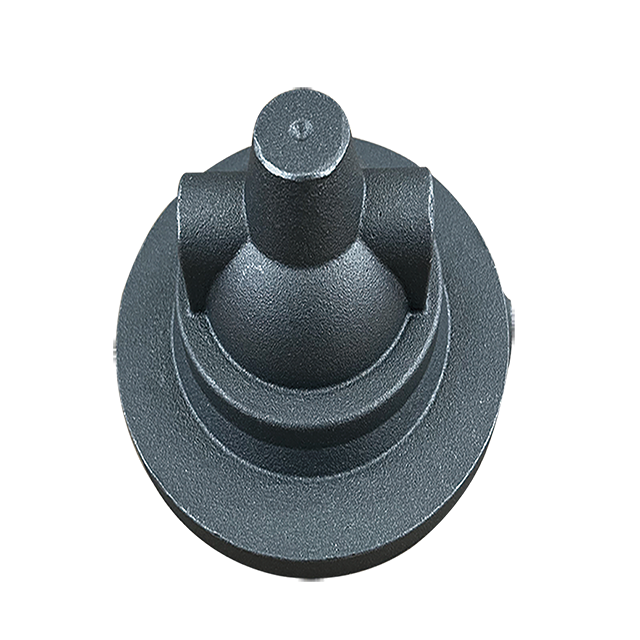 Stemmed circular component exampleThe supplied valve collection includes a circular part with an upright central feature. Exact function and assembly relationship require drawing confirmation.
Applications and procurement scenarios
Guides for the next decision
 How to evaluate a custom casting supplierCompare manufacturing responsibility, technical scope and evidence.
 What to include in a casting RFQSend enough information for a like-for-like quotation.Can a supplier coordinate multiple component types?Internal evidence review — not published
 Supplier evaluation and manufacturing responsibilityResolve the project questions below before agreeing component specifications and supply scope.
Compare the requirements that change your buying decision
| Decision | Information to provide | Review route |
|---|---|---|
| Identity | Part number, revision and intended assembly | Controlled design package |
| Material | Grade, standard and verification requirements | Material review |
| Manufacturing | Casting, machining and finishing boundaries | Supplier scope proposal |
| Commercial basis | Sample, batch and annual quantity | Comparable RFQ |
Material, casting & machining scope
| Review area | Documented company scope | How to apply it |
|---|---|---|
| Material families | Gray iron, ductile iron and cast steel | Catalogue p. 3; the specific grade must be agreed for the part |
| Casting routes | Resin sand, shell molding and investment casting | Catalogue p. 3; route and manufacturing responsibility reviewed per project |
| Machining | Turning, milling, drilling, tapping and grinding | Catalogue pp. 3 & 5; dimensions, datums and tolerances come from the drawing |
| Finishing & inspection | Surface treatment, dimensional checks and material verification | Catalogue pp. 3, 9 & 10; agree the required method and acceptance record |
Technical evidence and specification coverage
| Available basis | What it supports | What the project must establish |
|---|---|---|
| Company catalogue — page 3 | General component or company scope | Exact part identity and drawing revision |
| Original component photographs | Visible geometry and a reference for discussion | Dimensions, grade and operating limits |
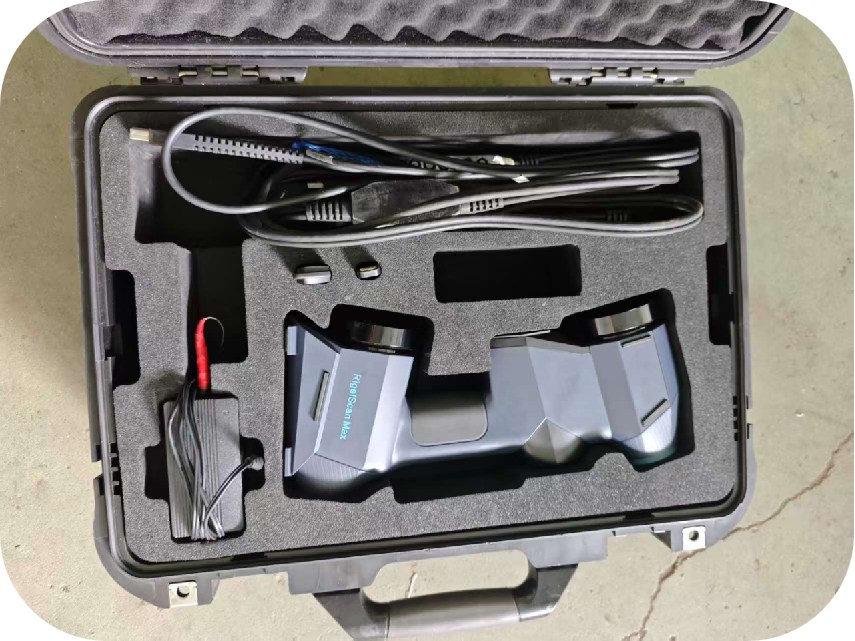
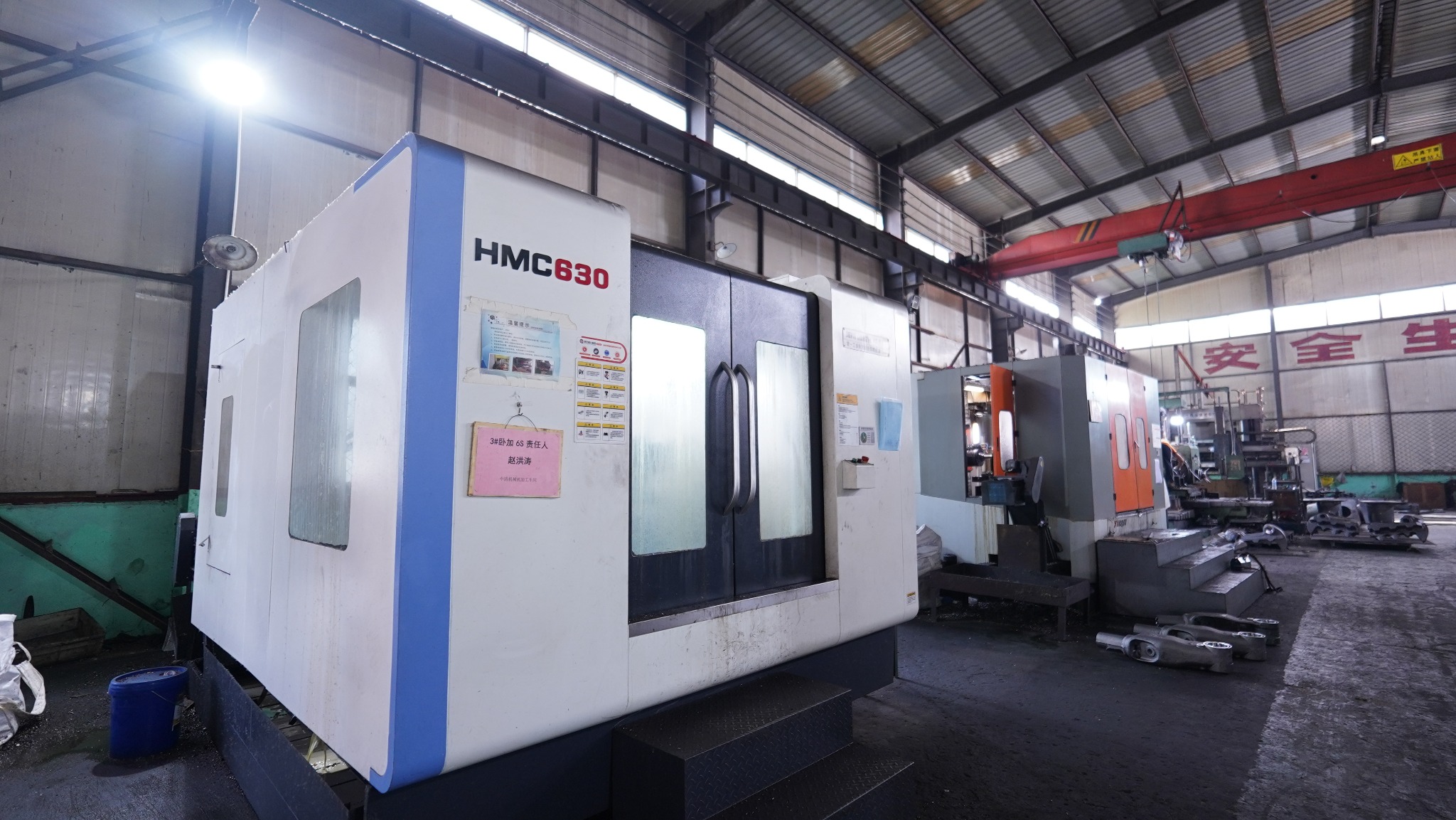
| Inspection equipment photographs — pp. 9–10 | Manufacturing-resource review | Actual inspection plan, results and acceptance criteria |
From drawing to a defined order
- Define
Provide the part, drawing revision, material and application conditions.
- Review
Resolve geometry, manufacturing scope and inspection questions.
- Approve
Agree quotation scope and the required sample acceptance package.
- Release
Confirm the controlled revision, quantities and delivery documentation.
Questions before you shortlist a supplier
What should I send first?
Part drawing and revision, available 3D geometry, application function, material specification, quantity and required supply condition.
What if I only have a sample?
Explain whether it is new, worn or modified. Agree how controlled design requirements will be established before treating sample geometry as a manufacturing specification.
What happens after the first review?
Resolve drawing questions, agree the proposed manufacturing scope and identify sample acceptance requirements before approving a quotation.
Prepare a technically comparable quotation
Provide the controlled drawing and revision, material standard, casting or machining scope, quantities, service conditions and required inspection records. Photo references help identify shape; approved drawings establish the specification.