
Use this guide to prepare your technical enquiry and compare proposals. It distinguishes information to provide from evidence to request. Numerical capability limits and contractual commitments must be confirmed for the actual project.
Use the supplied evidence
The INMORE catalogue describes component families, casting and machining resources, inspection resources and a four-step cooperation process. Match the relevant resource to your drawing and request the supporting records needed for acceptance.
Frequently asked questions
What information is required for a casting quotation?
Provide the drawing number and revision, material grade and standard, quantities, machined surfaces, critical tolerances, finish and inspection requirements. Include the delivery destination and required timing for review.
What factors affect tooling costs and unit prices?
Ask for tooling, raw casting, machining, finishing and inspection to be itemised. Compare unit prices using the same material, quantity, revision and supply condition; no fixed price is stated by the catalogue.
What should be included in a supplier quotation?
A comparable quotation identifies the part and revision, material, quantity, tooling and unit costs, included operations, inspection documents, packaging and delivery assumptions. Resolve exclusions before acceptance.
When is a core required?
Show internal cavities and passages in the drawing or model so the casting proposal can identify any core requirement and its tooling cost. Confirm the internal features and inspection access.
What affects tooling development cost?
Request a tooling scope describing the patterns or other tooling, development work, sample needs and modification assumptions. Compare it separately from the production unit price.
How do order quantities affect unit cost?
Compare prices at clearly stated quantities and separate one-time tooling from recurring unit costs. Confirm whether material, setups, inspection and packaging assumptions change between quantity breaks.
What is included in tooling charges?
Ask which patterns, fixtures, development work, samples and revisions are included in the tooling charge. Ownership, storage and future modification terms require explicit agreement.
How should raw casting weight be estimated?
Use the actual drawing or model and the proposed casting condition for a supplier estimate. Confirm whether the quoted weight is raw casting or finished-part weight; the catalogue provides no weight for each photo.
How are machining costs separated?
Request machining as a separate line or clearly described scope, including finished features, setups and inspection assumptions. A lower machining figure is not comparable if the supplied condition differs.
How are alloy surcharges calculated?
Ask whether any material surcharge applies, its calculation basis, reference period and quotation validity. No fixed surcharge formula or pricing policy is supplied in the company materials.
What affects sampling lead time?
Clarify drawing readiness, tooling work, material requirements, machining and the tests or approval documents needed. Request a project schedule after these inputs are reviewed; the catalogue does not promise a fixed sampling duration.
How should packaging be specified?
Specify protection of finished surfaces, identification, handling and destination requirements in the enquiry. Ask the quotation to confirm the proposed packing scope and cost.
Sources
Related products
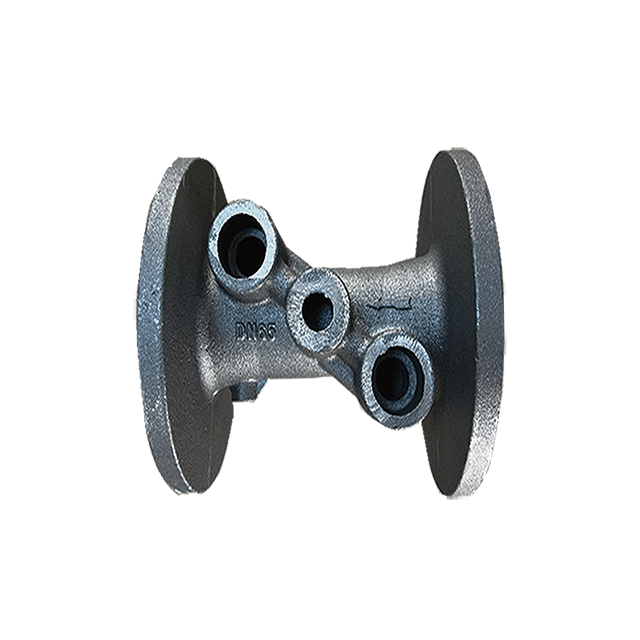 Custom valve body castingsCustom valve body castings for OEM assemblies. Share your drawing, material grade and machining scope for a quotation review.
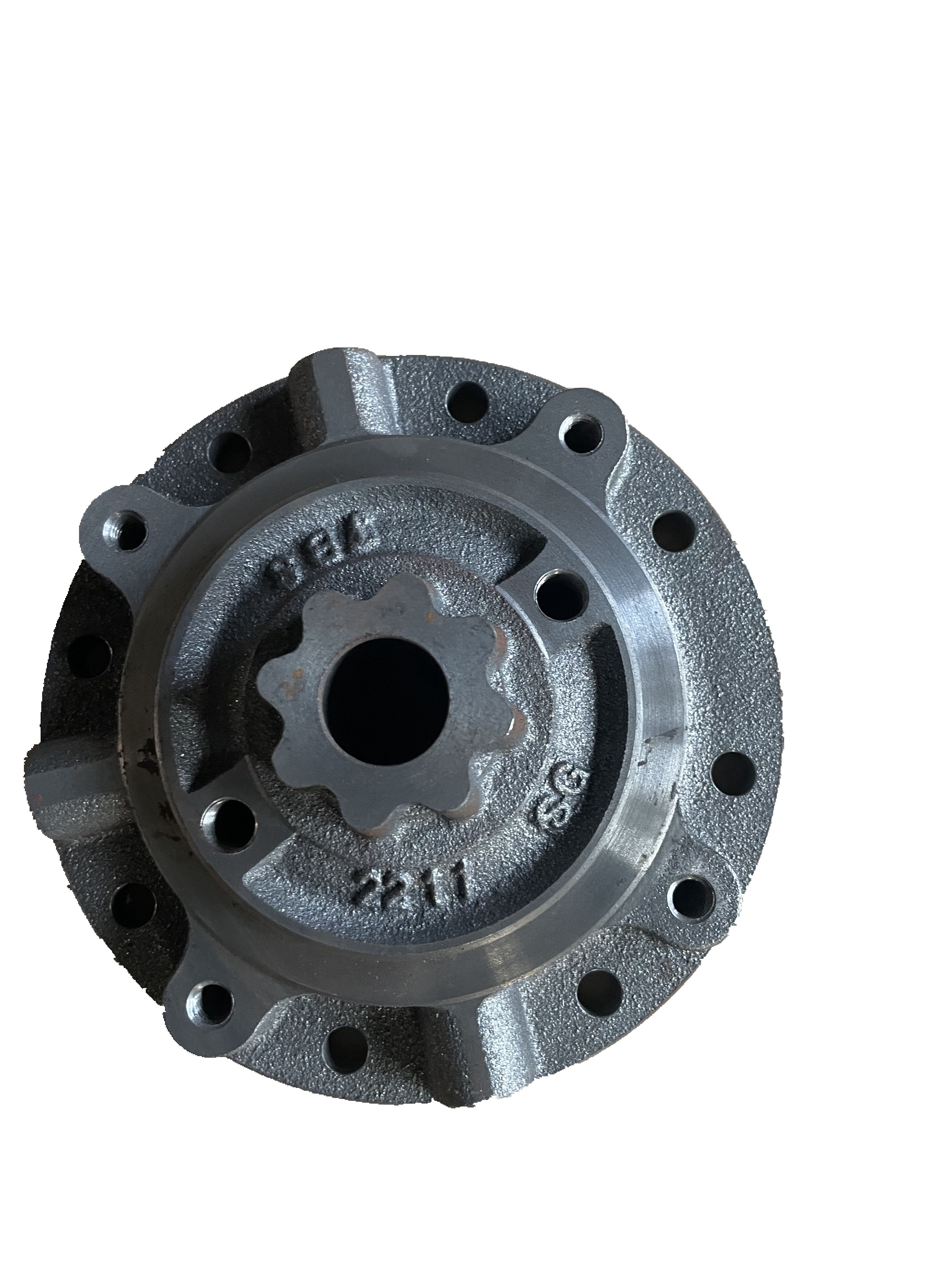 Custom valve covers and bonnet enquiriesCustom valve covers and bonnets for OEM assemblies. Share the mating body drawing, bolt pattern and sealing face requirements.
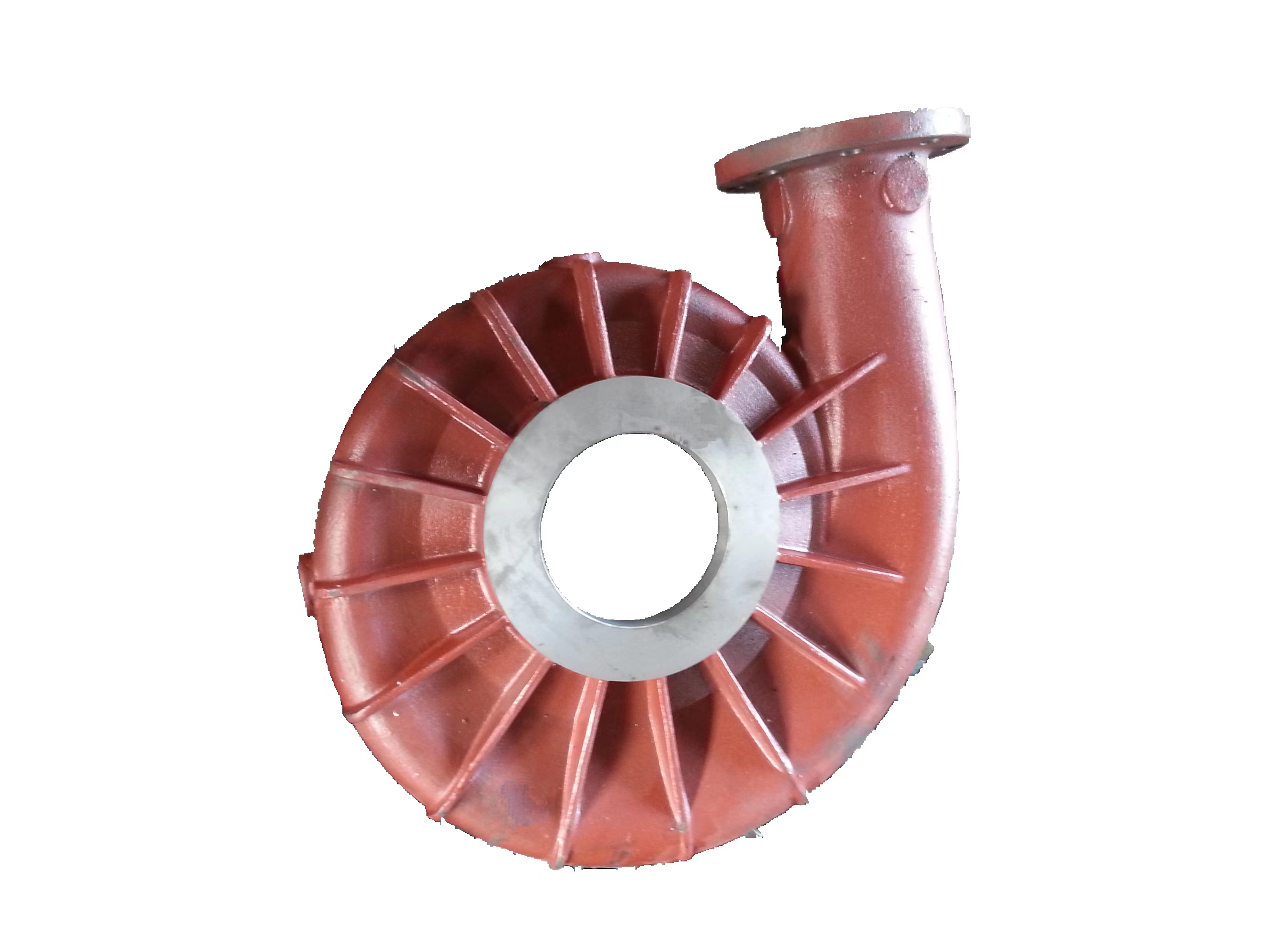 Custom pump casing castingsCustom pump casings and volute housings made to your drawing. Identify connection faces, material grade and surfaces to machine.
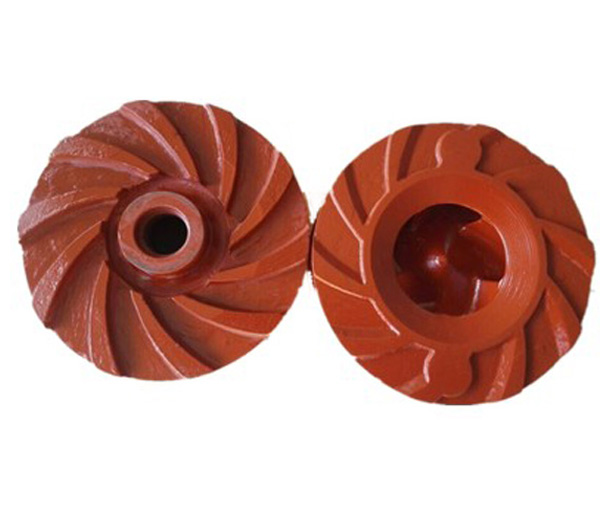 Custom pump impeller castingsCustom pump impeller castings for drawing-based projects. Specify vane geometry, bore, material and finishing requirements.
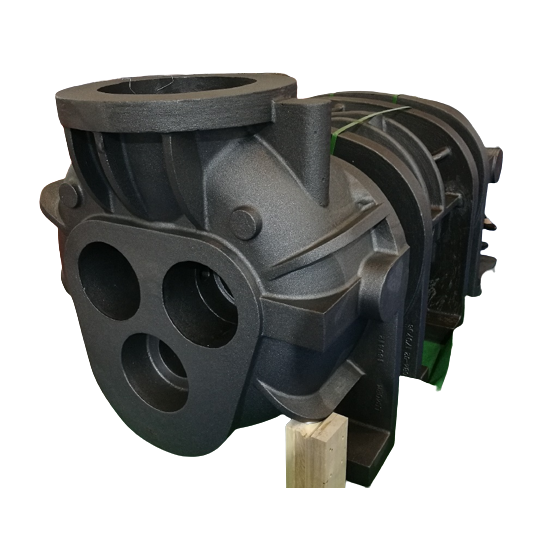 Custom machinery castings and housingsCustom housings, brackets and structural castings for industrial machinery. Mark critical bores and mounting faces on your drawing.Drawing-based OEM metal componentsSource custom castings and CNC machined metal parts from your drawing. Share the material, quantity and inspection requirements.