Use this guide to prepare your technical enquiry and compare proposals. It distinguishes information to provide from evidence to request. Numerical capability limits and contractual commitments must be confirmed for the actual project.
Use the supplied evidence
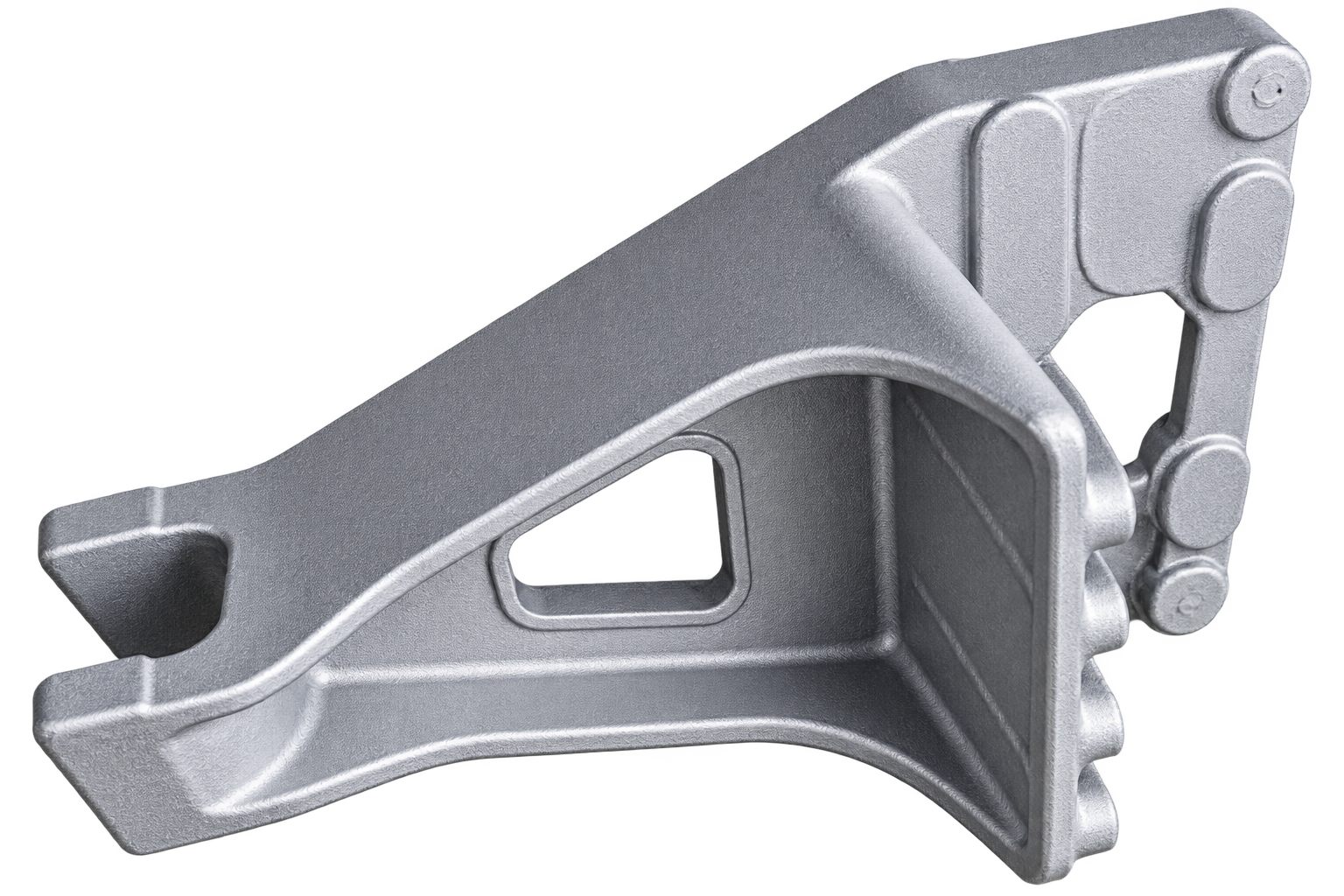
The INMORE catalogue describes component families, casting and machining resources, inspection resources and a four-step cooperation process. Match the relevant resource to your drawing and request the supporting records needed for acceptance.
Frequently asked questions
When should resin sand casting be selected?
Submit the component geometry, internal passages, section changes and expected quantity for a resin-sand route review. The company lists this process, but the catalogue does not define a universal size or tolerance range.
When is shell molding suitable?
Request a shell-molding proposal against the actual geometry, tooling requirements, quantity and required surfaces. Check the resulting machining and inspection scope instead of choosing solely from a process label.
How does investment casting differ from sand casting?
Compare the proposed tooling, geometry, machining allowance, material, quantity and acceptance scope for each route. INMORE lists sand-related routes and partner-network investment casting; confirm the responsible manufacturing resource and project limits.
What casting process suits complex housings?
Supply sections, cavity geometry, required material, quantity and finished features. Compare casting and machining proposals together, including how internal geometry and acceptance will be checked.
How does casting volume affect process selection?
Give sample, batch and expected repeat quantities separately. Ask how the proposed tooling and production route change with those quantities instead of extrapolating one price to all volumes.
What causes porosity in iron castings?
Document the observed indication, its position and the inspection method, then request investigation by the manufacturing resource. A cause cannot be established reliably from a product-family image; acceptance depends on the agreed criteria.
How are shrinkage defects controlled?
Ask the proposed foundry to explain the process review and verification relevant to the affected geometry. Define the acceptance requirement and supporting inspection rather than accepting an unsupported promise of defect-free castings.
What affects casting surface finish?
Identify the surfaces and required supplied condition, separating as-cast areas from machined or treated areas. Agree the applicable finish requirement and how it will be checked.
How are draft angles determined?
Ask the casting-resource review to propose draft requirements for the actual geometry and tooling route. Resolve any effect on functional dimensions with the drawing owner rather than using a blanket angle.
How are casting allowances established?
Distinguish the finished drawing from the proposed casting dimensions and machining stock. Agree the allowance and datum plan before tooling approval.
How are foundry defects assessed?
Identify the indication, location, affected requirement and inspection evidence. Use the agreed acceptance criteria and an authorised disposition; do not classify a part as acceptable solely from a surface photograph.
Sources
Related products
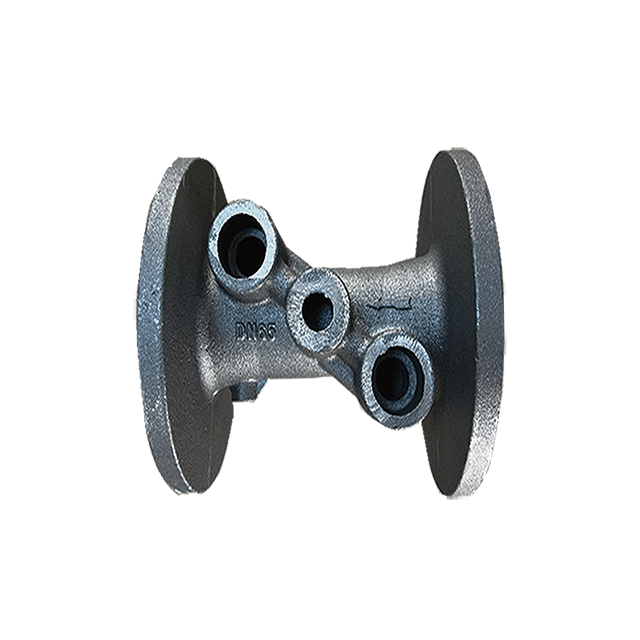 Custom valve body castingsCustom valve body castings for OEM assemblies. Share your drawing, material grade and machining scope for a quotation review.
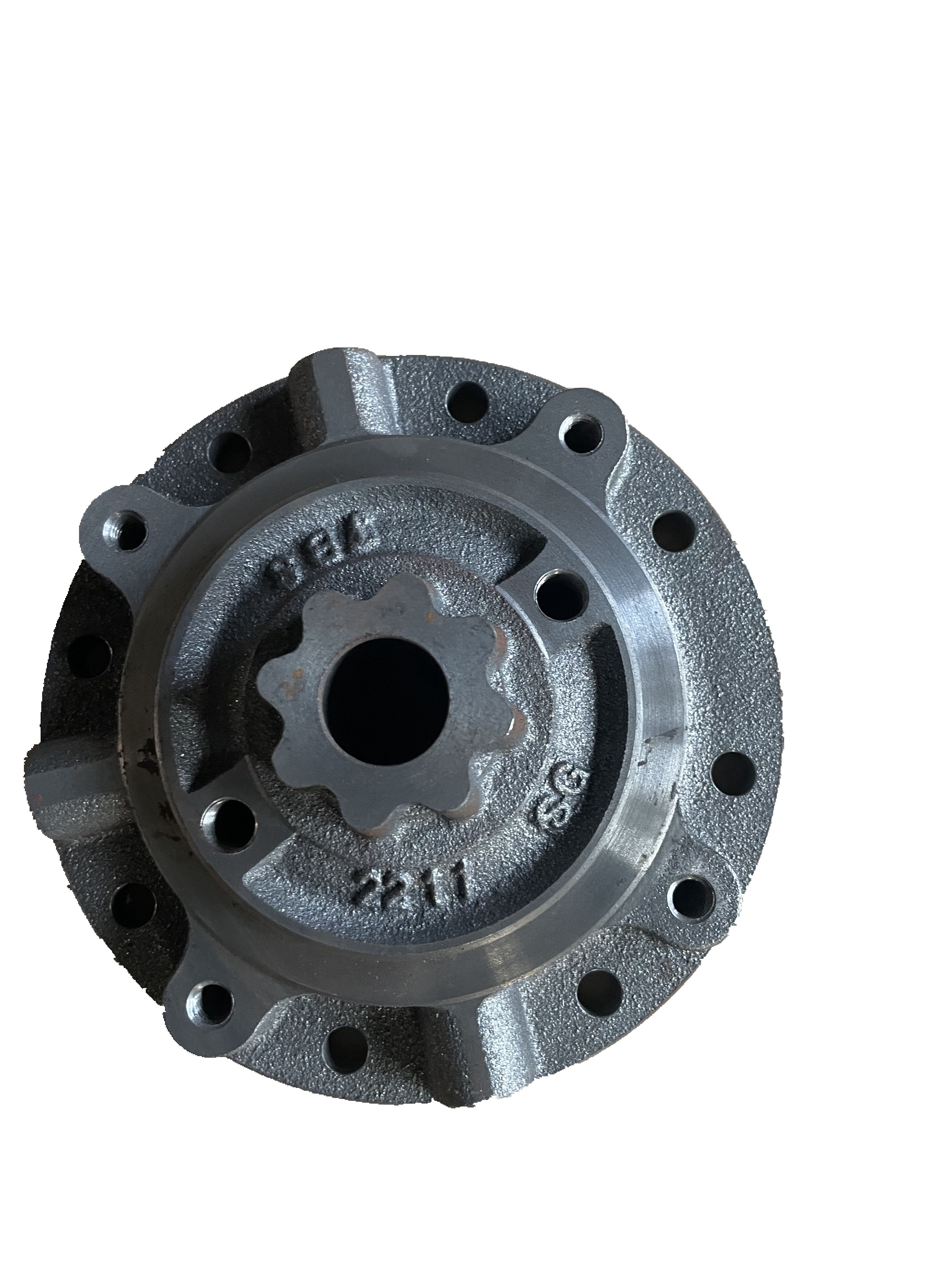 Custom valve covers and bonnet enquiriesCustom valve covers and bonnets for OEM assemblies. Share the mating body drawing, bolt pattern and sealing face requirements.
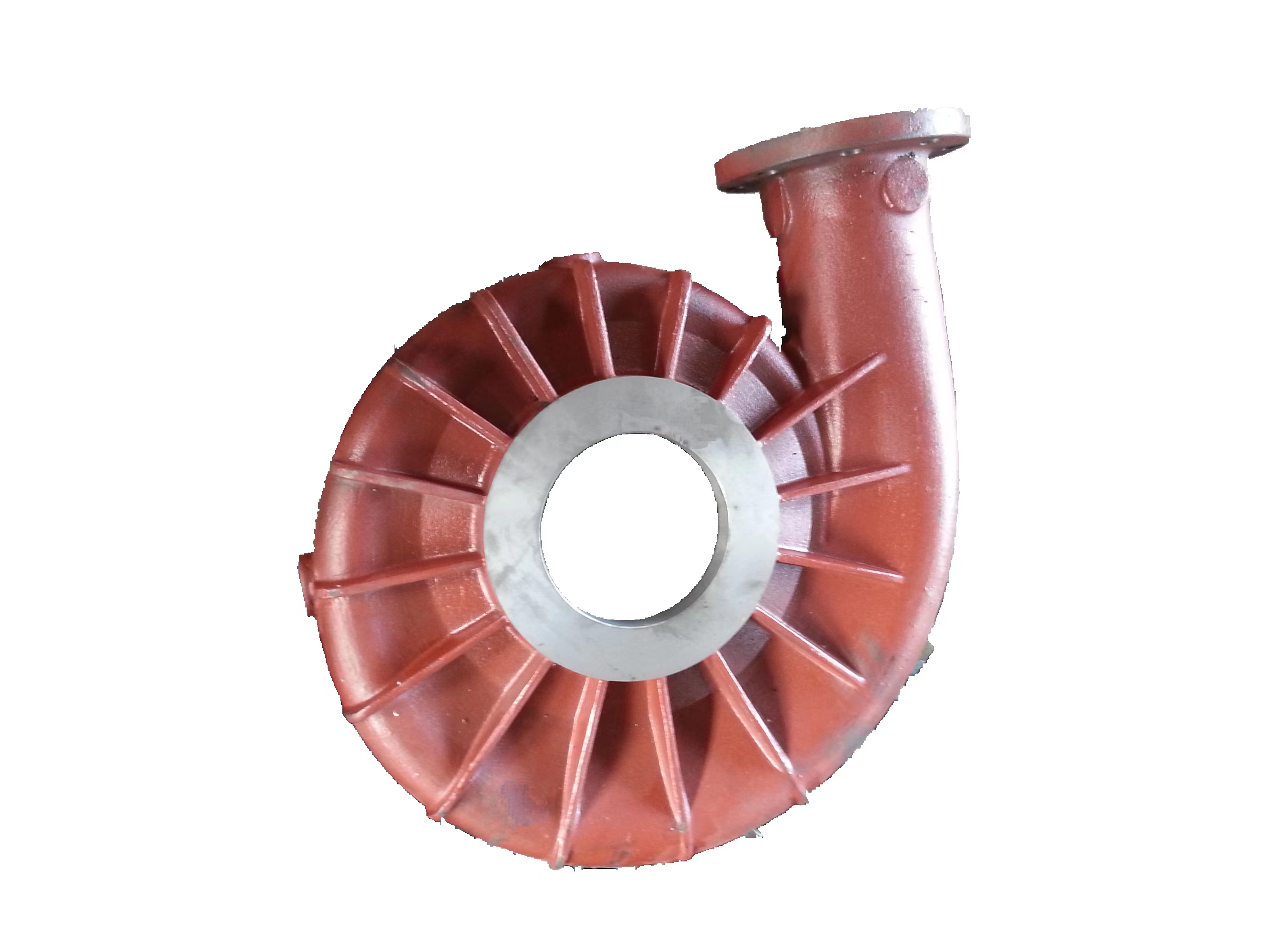 Custom pump casing castingsCustom pump casings and volute housings made to your drawing. Identify connection faces, material grade and surfaces to machine.
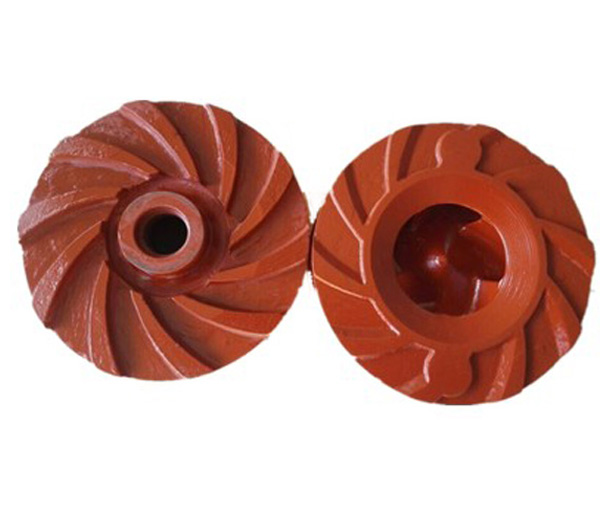 Custom pump impeller castingsCustom pump impeller castings for drawing-based projects. Specify vane geometry, bore, material and finishing requirements.
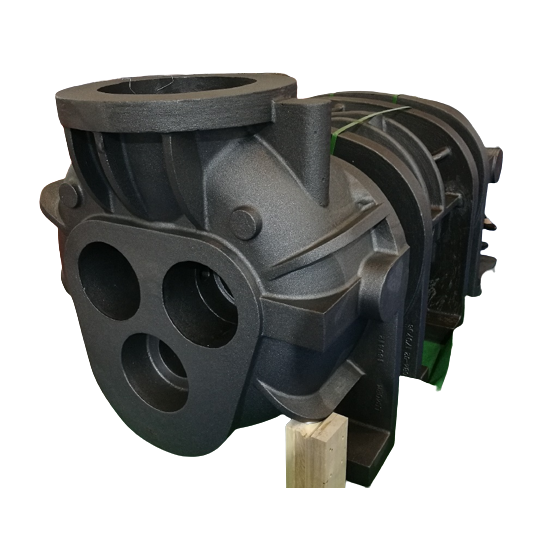 Custom machinery castings and housingsCustom housings, brackets and structural castings for industrial machinery. Mark critical bores and mounting faces on your drawing.
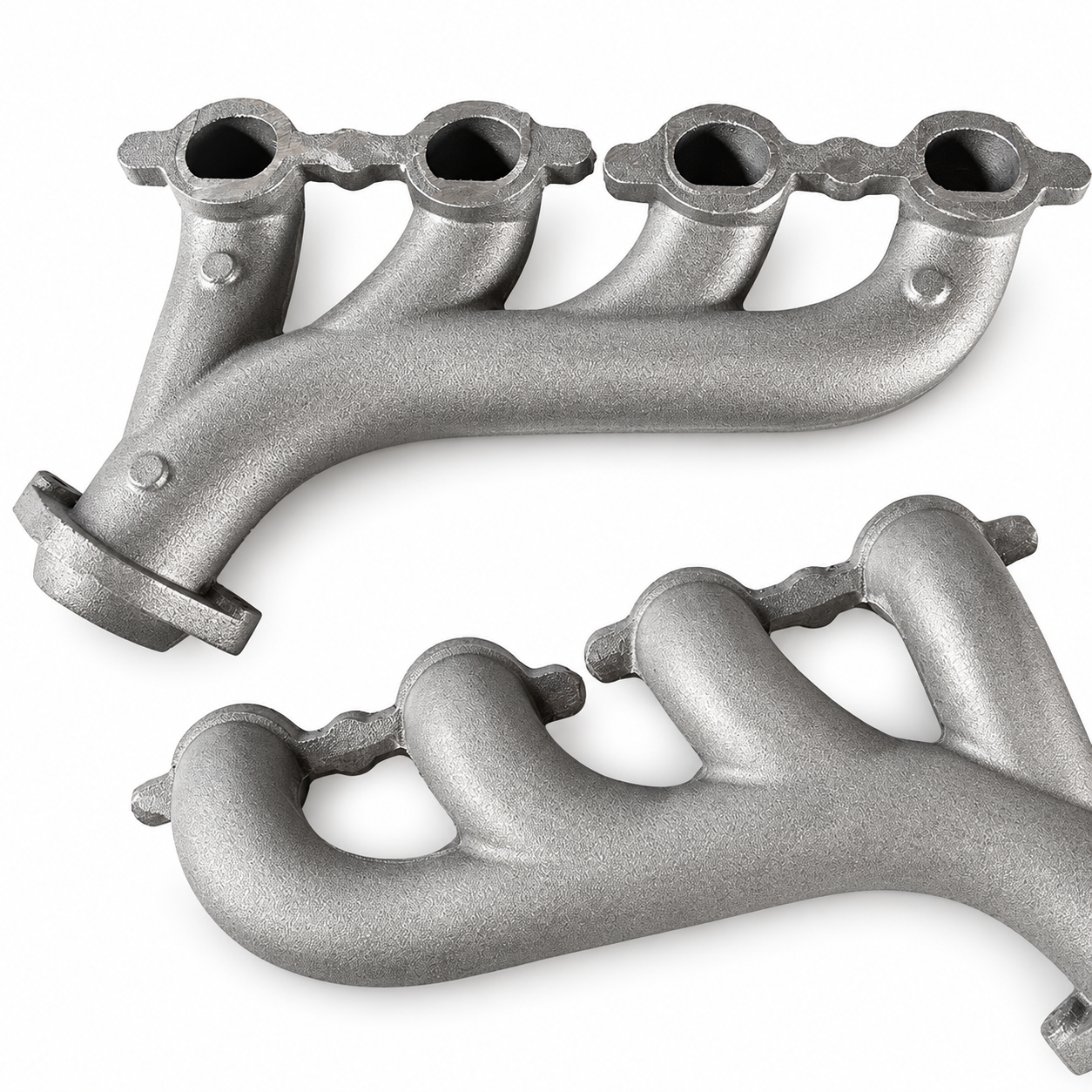 Drawing-based OEM metal componentsSource custom castings and CNC machined metal parts from your drawing. Share the material, quantity and inspection requirements.