
Railway Parts — families & component examples
Browse railway parts by component family, individual photograph and purchasing requirement.
- Component families
- 1
- Individual photo references
- Not yet verified
- Specification basis
- Customer drawing
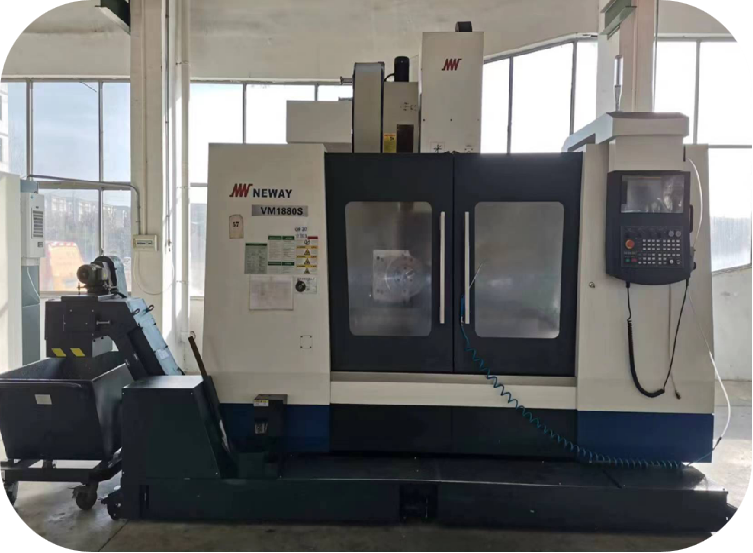
A project-review route for railway component enquiries
The company introduction mentions railway interests. The supplied collection does not identify a verified railway-specific model, component photograph or approval certificate. Start with the required qualification and design evidence.
Product families
Start with the component’s job
| Family | What to compare | Next step |
|---|---|---|
| Railway component inquiries | Railway component enquiries are reviewed by project. Send the drawing, applicable standard and required qualification evidence. | 0 photographed examples; drawing review required |
Individual component examples
This is a project enquiry category. No verified individual product photograph or model is assigned; review the drawing and qualification requirements first.
Guides for the next decision
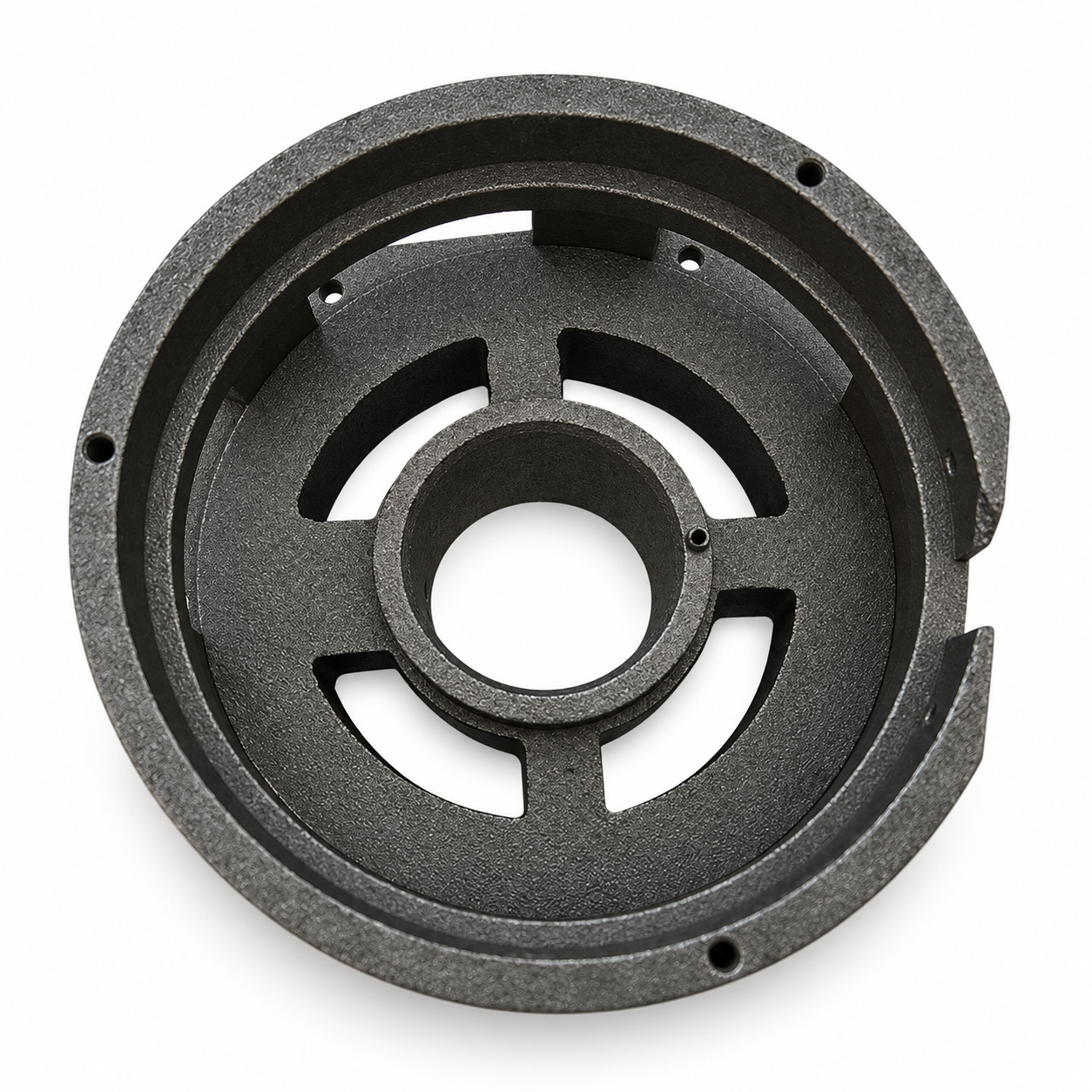 What to include in a casting RFQSend enough information for a like-for-like quotation.How are railway casting requirements specified?Internal evidence review — not publishedWhat should mining pump buyers verify?Internal evidence review — not published
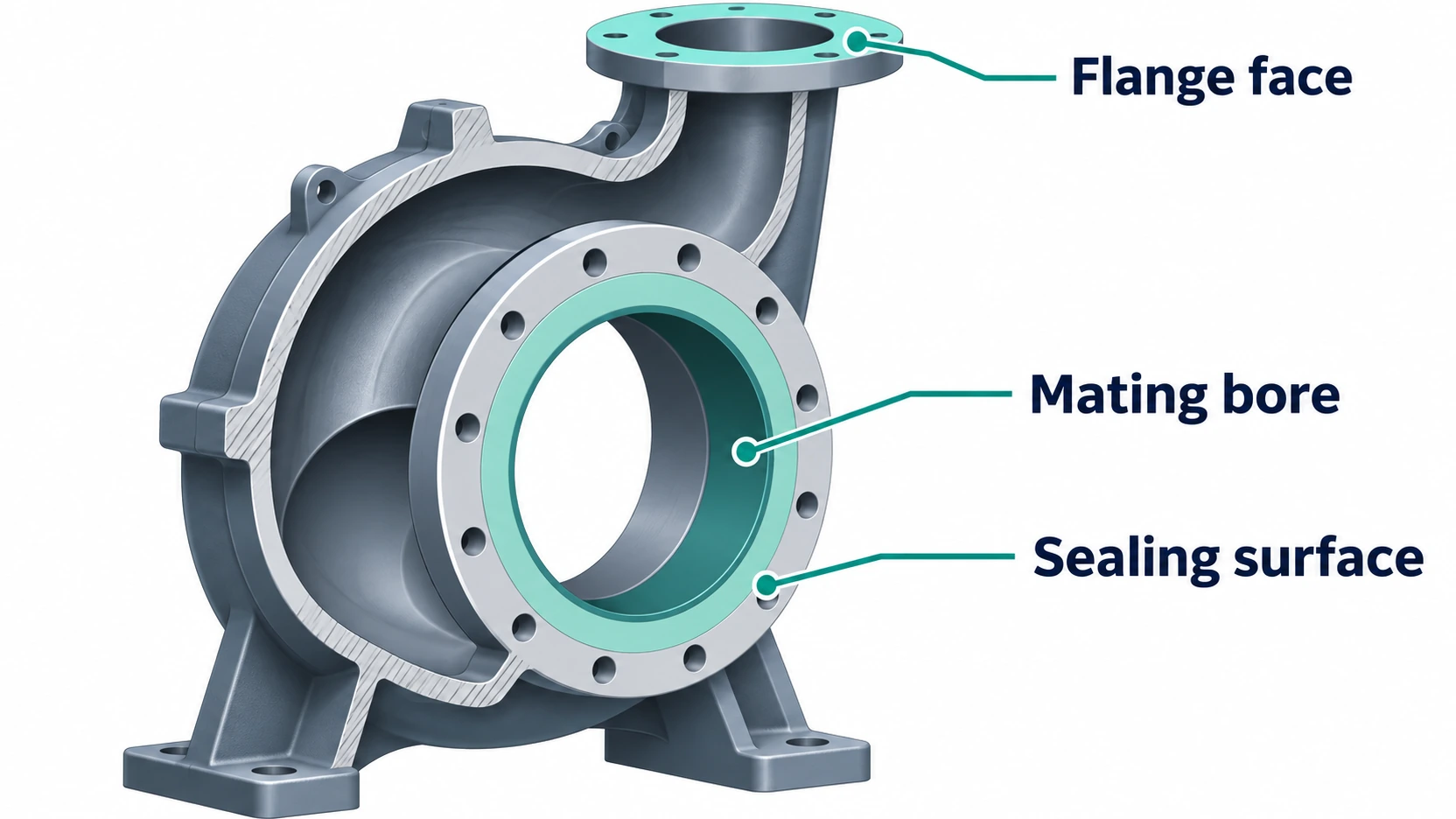 What to Include in a Casting RFQPrepare a casting RFQ with the controlling drawing, material, quantities, machining scope, and inspection requirements. See the additional checks for pump casings.
Compare the requirements that change your buying decision
| Decision | Information to provide | Review route |
|---|---|---|
| Identity | Part number, drawing revision and assembly function | Buyer-controlled specification |
| Qualification | Applicable approval requirements and responsible authority | Evidence review before scope acceptance |
| Manufacturing | Material, proposed operations and required records | Project-specific review |
| Release | Required tests and approval responsibility | Defined acceptance process |
Material, casting & machining scope
| Review area | Documented company scope | How to apply it |
|---|---|---|
| Material families | Gray iron, ductile iron and cast steel | Catalogue p. 3; the specific grade must be agreed for the part |
| Casting routes | Resin sand, shell molding and investment casting | Catalogue p. 3; route and manufacturing responsibility reviewed per project |
| Machining | Turning, milling, drilling, tapping and grinding | Catalogue pp. 3 & 5; dimensions, datums and tolerances come from the drawing |
| Finishing & inspection | Surface treatment, dimensional checks and material verification | Catalogue pp. 3, 9 & 10; agree the required method and acceptance record |
Technical evidence and specification coverage
| Available basis | What it supports | What the project must establish |
|---|---|---|
| Company catalogue — page 2 | General component or company scope | Exact part identity and drawing revision |
| Original component photographs | Visible geometry and a reference for discussion | Dimensions, grade and operating limits |
| Inspection equipment photographs — pp. 9–10 | Manufacturing-resource review | Actual inspection plan, results and acceptance criteria |
From drawing to a defined order
- Define
Provide the part, drawing revision, material and application conditions.
- Review
Resolve geometry, manufacturing scope and inspection questions.
- Approve
Agree quotation scope and the required sample acceptance package.
- Release
Confirm the controlled revision, quantities and delivery documentation.
Questions before you shortlist a supplier
Is this an approved railway catalogue?
No. This page is an enquiry route and does not establish railway approval or a product-specific qualification.
What needs to be reviewed first?
The component function, controlling drawing, applicable standard, design authority and required qualification evidence.
What can the current documents demonstrate?
General company and manufacturing scope. They do not replace the specific approval documents required by the railway project.
Prepare a technically comparable quotation
Provide the controlled drawing and revision, material standard, casting or machining scope, quantities, service conditions and required inspection records. Photo references help identify shape; approved drawings establish the specification.